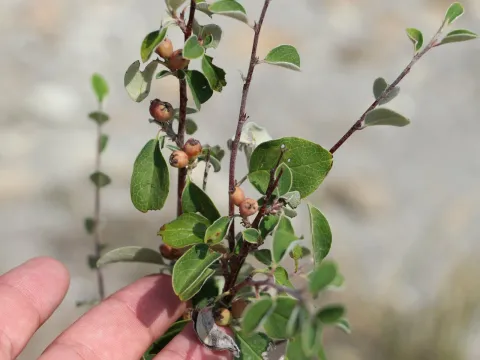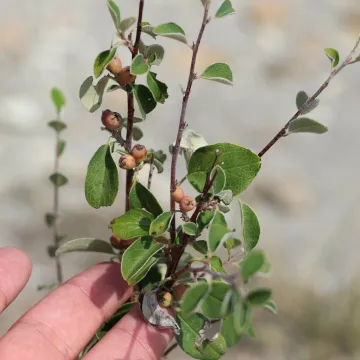
Cotoneaster suavis
Cotoneaster suavis
Description
Cotoneaster suavis is a perennial ornamental shrub belonging to the Rosaceae family. This species is highly valued in horticulture for its dense, elegant habit, attractive foliage, and its ability to adapt to various environmental conditions, making it a reliable choice for professional landscaping.
The plant originates from the mountainous regions of Central Asia. Its natural habitat is characterized by rocky slopes and variable climate conditions, which has resulted in a high degree of hardiness and drought tolerance. In modern cultivation, it is widely propagated and planted across temperate regions for its structural beauty.
Botanically, it features a complex branching pattern with deep green, leathery leaves that provide a lush texture. In the spring, the shrub produces clusters of delicate flowers, followed by vibrant red fruits that persist on the branches, providing visual interest well into the autumn months. The plant's growth rate is moderate, allowing for easy maintenance.
Agronomic requirements for this culture are centered on well-drained soil and adequate sun exposure. While Cotoneaster suavis is known for its robustness, it performs best in soils with good aeration to prevent root rot. Supplemental watering is recommended during prolonged dry spells to maintain leaf turgor and fruit development. Regular pruning is necessary to encourage bushiness and control the plant's spread.
Key areas of horticultural application include:
- Development of dense decorative hedges and screens.
- Soil stabilization on embankments and slopes.
- Use in rock gardens or as a border plant.
- Urban landscaping projects where maintenance needs to be minimal.
Like many species in the genus, this shrub can be susceptible to fungal diseases such as leaf spots if kept in overly humid or stagnant air conditions. Common pests include aphids and mites, which can be managed through integrated pest management practices. Providing good airflow and proper plant spacing are the best preventive measures for maintaining a healthy and vigorous specimen.
Photo gallery