Cotoneaster villosulus
Cotoneaster villosulus
Description
Cotoneaster villosulus is an ornamental deciduous shrub belonging to the Rosaceae family. Known for its compact structure and persistent foliage, this species is highly valued in horticulture for its resilience and ability to thrive in a variety of environments, making it a reliable choice for landscaping projects.
Native to the mountainous regions of East Asia, specifically China, this species has adapted to challenging growing conditions such as rocky terrains and slopes. Over time, it has been introduced into botanical gardens and private landscapes worldwide, where it is appreciated for its aesthetic value and functional use in soil stabilization and urban greening.
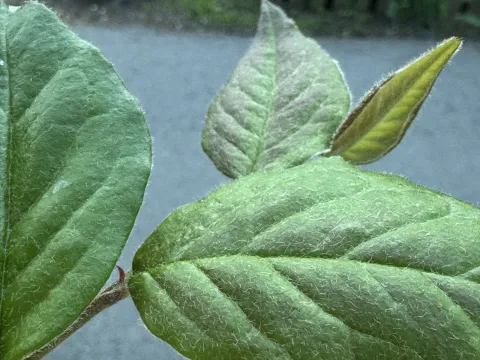
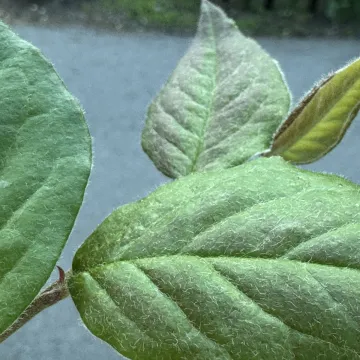
The botanical identity of this plant is defined by the dense, woolly-like pubescence on its young shoots and the undersides of its leaves, which gives the plant its distinct appearance. It develops a slow-growing, dense habit with small, elliptical green leaves and inconspicuous white-pink blossoms. Its decorative value peaks in the autumn when it produces small, bright red pome fruits that remain on the branches into winter.
Regarding agrotechnical requirements, the shrub prefers sites with full sun to partial shade and well-drained, fertile soil. It is notably drought-tolerant once established, though consistent moisture is beneficial during the first few years of growth. Regular pruning is recommended to maintain a desired shape, as the plant responds well to shearing, making it suitable for formal garden arrangements.
Key areas of agricultural and landscape usage include:
- Formation of dense, low-maintenance hedges and barriers.
- Erosion control on embankments and hilly garden landscapes.
- Individual specimens or group plantings in rock gardens.
- Topiary work due to the species' tolerance to repeated pruning.
Common issues include susceptibility to fungal diseases such as powdery mildew, especially in humid or poorly ventilated conditions. Pests such as aphids and spider mites can affect the foliage during the peak growing season. Integrated pest management, including regular inspection and appropriate applications of fungicides and insecticides, is essential for ensuring the plant's long-term health and structural integrity.
Photo gallery