
Waterer's Cotoneaster
Cotoneaster watereri
Description
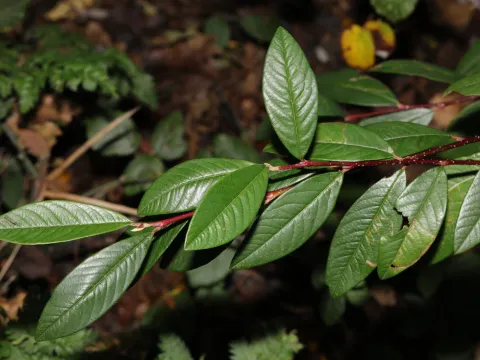
Waterer's Cotoneaster (Cotoneaster × watereri) is a magnificent semi-evergreen shrub belonging to the Rosaceae family. As a hybrid derived from cross-breeding several species such as C. frigidus and C. salicifolius, it has gained popularity for its vigorous habit and year-round visual appeal. This shrub is known for its wide, arching branches that create a substantial presence in any garden setting.
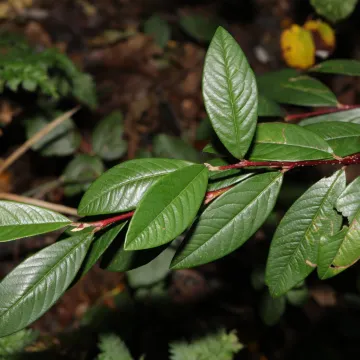
Botanically, the plant features elongated, dark green leaves that retain their color well into the colder months. During late spring, the shrub is covered in small, clusters of white flowers that stand out against the foliage. Following the flowering phase, it produces an abundance of vibrant red berries that persist through winter, providing a striking contrast against snow or dormant winter landscapes.
Cultivation requirements for this species include well-drained soil and a location with full sun to partial shade. While it is adaptable to various soil types, it performs best in fertile, loamy conditions. In terms of climate, Waterer's Cotoneaster is moderately hardy; however, it benefits significantly from being planted in areas shielded from harsh, drying winter winds to maintain its foliage health.
Agrotechnical maintenance focuses on regular pruning to manage the shrub's rapid growth and structural integrity. It is advisable to perform thinning cuts to ensure adequate air circulation within the dense canopy, which helps in preventing common fungal issues. Mulching the base during the planting years helps retain soil moisture and protects the root system from temperature fluctuations.
The primary use of this shrub is in ornamental landscaping, where it serves as an excellent specimen plant, a backdrop for perennial borders, or a sturdy informal hedge. Gardeners should monitor the plant for pests such as aphids or scale insects and watch for signs of powdery mildew. Proper site selection and periodic maintenance are key to keeping the plant vigorous and disease-free throughout its lifecycle.
Photo gallery