
Crateva adansonii
Crateva adansonii
Description
Crateva adansonii is a deciduous tree species belonging to the Capparaceae family. It is a highly resilient plant that can range from a small shrub to a medium-sized tree, depending on environmental factors and local management practices. Known for its medicinal properties and environmental utility, this species is a significant resource in various tropical regions.
The plant originates from tropical Africa and has spread across various arid and semi-arid zones worldwide. Its ability to thrive in challenging environments makes it an excellent candidate for reforestation projects and land reclamation in regions where water scarcity limits the cultivation of more demanding agricultural crops.
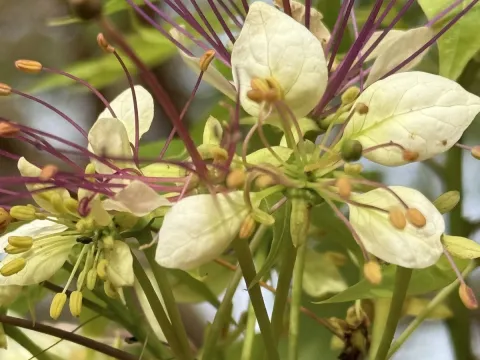
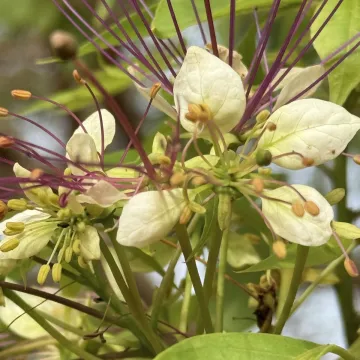
Botanically, the species is identified by its trifoliate leaves and distinctive flowers with long, prominent stamens. The fruits are large, berry-like structures containing numerous seeds embedded in a pulp that has been traditionally used for both nutritional and industrial purposes. The root system is deep and expansive, allowing the tree to access groundwater in harsh conditions.
Cultivation requirements involve full sun exposure and well-drained, sandy-loam soils. While the tree is drought-tolerant once established, young seedlings require consistent moisture to develop a robust root system. Agronomic practices include light pruning to maintain a manageable shape and applying organic mulch to retain soil moisture and improve soil fertility over time.
- Medicinal applications for treating inflammatory and digestive disorders.
- Nutritional value of fruits and leaves in traditional diets.
- Role in agroforestry systems as a windbreak and soil stabilizer.
- Utilization of wood for artisanal craft and tool handles.
Regarding pests and diseases, the tree is generally hardy, though it may be susceptible to root rot in poorly drained, waterlogged soils. Minor infestations by leaf-eating insects are common but rarely pose a severe threat to mature trees. Integrated pest management, including regular monitoring and maintaining proper plant spacing, is usually sufficient to ensure a healthy crop yield without relying on heavy synthetic chemical inputs.
Photo gallery