Crateva kirkii
Crateva kirkii
Description
Crateva kirkii is a perennial woody plant belonging to the Capparaceae family. This species is native to tropical Africa and is valued in its natural habitat for its unique biological properties and its role in local ecosystems.
The geographic range of this culture is strictly limited to tropical regions. It thrives in warm, humid climates where it can fully develop its vegetative potential. The plant is not frost-tolerant, which makes its cultivation possible only in environments with stable, high annual temperatures.
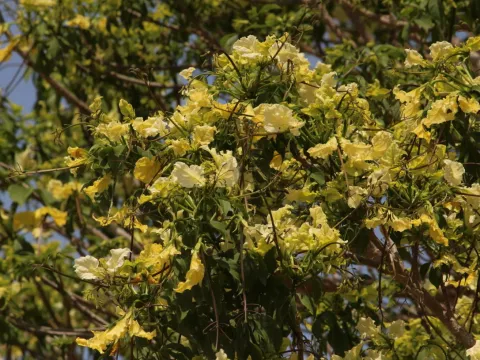
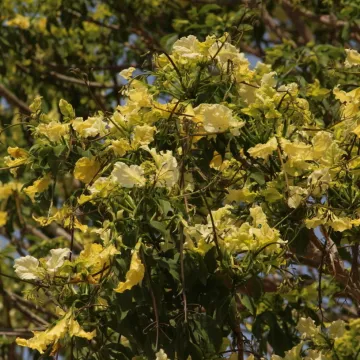
Botanically, Crateva kirkii exhibits features typical of the Capparaceae family, including trifoliate leaves and distinctive flowers with elongated stamens that facilitate pollination. The fruit is fleshy and contains several seeds, which are dispersed in the wild by local fauna.
In terms of agricultural requirements, the plant prefers fertile, well-drained soils. A crucial factor for successful growth is ensuring proper soil aeration and avoiding waterlogging, which can lead to root rot. Regular irrigation is necessary during the dry seasons to maintain plant vigor.
The economic and agricultural utility of the species includes its traditional use in ethnomedicine and the utilization of its wood for local artisan crafts. The plant can also serve as a shade tree in agroforestry systems. Common threats include leaf-eating insects and various fungal pathogens that flourish in high-humidity conditions.
Photo gallery