Crateva unilocularis
Crateva unilocularis
Description
Crateva unilocularis is a deciduous tree belonging to the Capparaceae family. Renowned for its distinctive flowers and fleshy fruits, this species plays a vital role in tropical ecosystems. It is a hardy tree that exhibits significant structural complexity, making it an essential subject for agricultural study in its native regions.
The tree is native to Southeast Asia, spanning across India, Thailand, and parts of China. It typically thrives in moist lowland forests and riparian zones. Its cultivation is highly dependent on tropical climates that provide stable heat and specific moisture regimes, which allow the tree to reach its full development potential in both wild and managed settings.
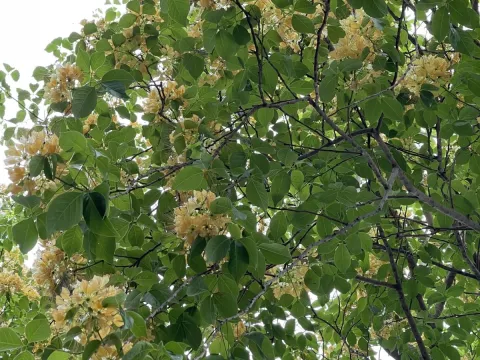
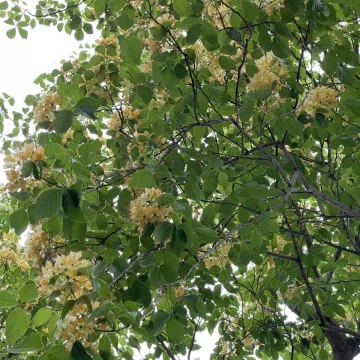
Botanically, Crateva unilocularis is defined by its trifoliate leaves and large, conspicuous flowers characterized by prominent, elongated stamens. These features not only serve reproductive functions but also contribute to the tree's ornamental value. The fruits are berries that contain numerous seeds, and their development cycle is closely linked to the seasonal rainfall patterns of their habitat.
Successful cultivation requires well-drained, nutrient-rich soils and significant exposure to sunlight. Growers should ensure consistent moisture levels during the early stages of growth, while mature trees demonstrate moderate resilience to brief dry spells. Soil fertility can be maintained through the application of organic matter, which enhances the tree's physiological response to its environment.
The agricultural usage of Crateva unilocularis includes the consumption of its edible fruits and the harvesting of its various parts for medicinal applications. Potential issues include fungal infections during periods of excessive humidity and infestations by common tropical pests. Implementing professional horticultural practices is essential to minimize these risks and maximize yield quality.
- Family: Capparaceae
- Life Cycle: Deciduous perennial
- Growth Habit: Tree
- Distribution: Tropical Asia
- Primary Uses: Food and Ethnomedicine
Photo gallery