Tropic croton
Croton glandulosus L.
Description
Tropic croton (lat. Croton glandulosus L.) is an annual herbaceous plant belonging to the Euphorbiaceae family. In agricultural practices, it is typically recognized as a common weed species that thrives in disturbed soils, competing with field crops for essential resources. While some species within the genus are cultivated for industrial oils or medicine, this specific variety is largely managed as a pest.
Native to the Americas, the tropic croton has a broad natural range extending across tropical and subtropical environments. It has successfully naturalized throughout the United States and various South American countries. The plant is commonly found in agricultural fields, pastures, and along roadsides, showing a strong preference for sunny, open sites with light, well-drained soil.
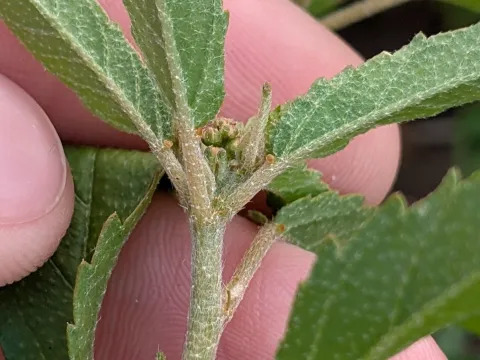
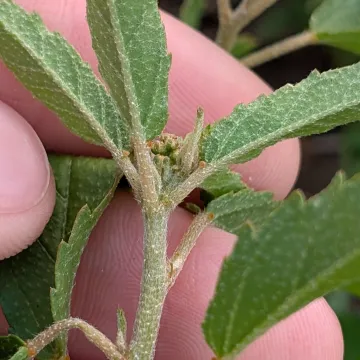
Botanically, it typically grows up to 50 cm tall with a branched, hairy stem. The plant is characterized by its glandular hairs that produce a sticky secretion, which is a key identifying feature. Its leaves are generally lanceolate or ovate with serrated margins. The flowers are small, monoecious, and arranged in spikes, facilitating efficient seed dispersal across cultivated fields.
The cultural requirements of Croton glandulosus are minimal, contributing to its status as a resilient weed. It thrives in various climatic conditions and is particularly well-adapted to sandy and silty loam soils. Its tolerance to periodic drought allows it to establish itself in environments where other less hardy plants might struggle, necessitating rigorous chemical or mechanical control during the growing season.
From an agricultural standpoint, its main significance is its negative impact on crop yields through nutrient and space competition. Managing the plant involves systematic monitoring during the germination phase. While the species is relatively resistant to many insect pests due to the toxic latex-like sap common in the Euphorbiaceae family, it can occasionally be affected by:
- Powdery mildew fungi
- Aphid infestations in high-humidity periods
- Leaf spot pathogens
Photo gallery