
Croton megalocarpus
Croton megalocarpus Hutch.
Description
Croton megalocarpus is a prominent large-sized tree belonging to the Euphorbiaceae family. Recognized for its rapid growth rate and substantial ecological contribution, it has become a staple of agroforestry systems throughout the East African highlands, serving both commercial and environmental purposes.
Originating from the tropical regions of Eastern Africa, this species is naturally found in Kenya, Tanzania, Uganda, and Ethiopia. It typically thrives in high-altitude environments, ranging from 1,000 to 2,000 meters above sea level. It is a vital component of the local landscape, often utilized in reforestation projects and as a primary shade tree for sensitive tropical crops.
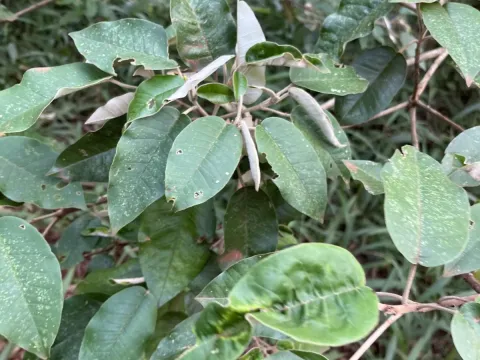
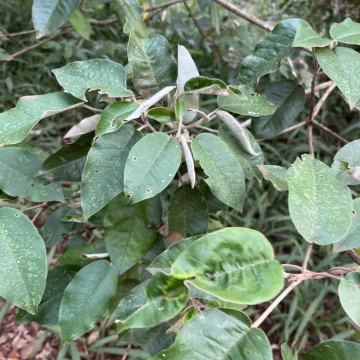
The tree reaches impressive dimensions, with a height of up to 35 meters and a dense canopy. Morphologically, it is characterized by its alternate, leathery leaves with silver scales on the underside. Its reproductive system includes aromatic flowers that attract pollinators, followed by woody fruit capsules that hold seeds rich in essential oils, which are the primary economic focus of the plant.
Successful cultivation requires specific environmental conditions, primarily well-drained, fertile soils and a consistent moisture regime. While it is hardy once established, young saplings require careful management, including weed control and adequate irrigation during the initial establishment phase. It is an ideal species for intercropping due to its ability to improve soil structure through leaf litter production.
The primary хозяйственное (economic) utility lies in its seeds, which contain high lipid content suitable for high-quality biodiesel extraction. Furthermore, its timber is utilized in local carpentry, and its massive canopy provides essential shade in integrated farming systems. Farmers must be vigilant against typical pests, such as wood-boring beetles, and ensure good ventilation within plantations to prevent fungal infections that can occur in excessively humid conditions.
Despite its robustness, the management of Croton megalocarpus requires scientific precision to maximize yield. Regular monitoring of the foliage and trunk integrity is necessary to detect early signs of infestation. Integrated Pest Management (IPM) techniques are highly recommended to keep the trees healthy without relying excessively on chemical inputs, thus maintaining the sustainability of the agro-ecosystem.
Photo gallery