Cuphea racemosa
Cuphea racemosa
Description
Cuphea racemosa is an herbaceous plant belonging to the Lythraceae family. In agricultural research, this species is gaining attention as an emerging industrial crop, particularly for its seeds which are rich in medium-chain fatty acids, offering a sustainable alternative to traditional tropical oil sources.
Native to Central and South America, the plant thrives in tropical and subtropical climates. Its natural habitat typically includes moist meadows and riverbanks, which provides insights into its ecological requirements. While currently grown primarily in experimental settings, efforts are underway to expand its cultivation area into regions suitable for broad-scale agricultural production.
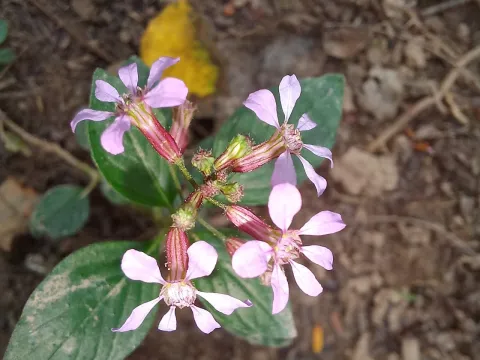
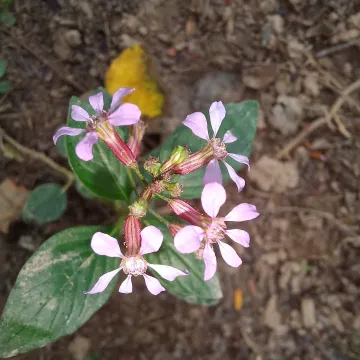
Botanically, it is characterized by branched stems and raceme-like inflorescences covered with glandular hairs. One of the primary agronomic challenges is the dehiscence of its seed capsules, which requires precise timing for harvest or the development of non-shattering varieties to ensure efficient crop collection and minimize post-harvest losses.
Successful cultivation requires fertile, well-drained soil with a neutral pH. As a heat-loving plant, it demands a long frost-free growing season and full sun exposure. Agronomic management involves optimizing irrigation to balance moisture needs without inducing root rot, as well as managing weed pressure during the early stages of plant development.
The primary economic value of Cuphea racemosa lies in its seed oil, which is utilized in the chemical industry for the production of surfactants, lubricants, and specialized food additives. Beyond its industrial applications, the crop is highly attractive to beneficial insects, serving as an excellent pollinator-friendly plant that enhances local biodiversity within farming systems.
- High content of caprylic and capric acids.
- Preference for warm, stable climates.
- High water efficiency during the vegetative stage.
- Risk of seed shattering during late harvest.
- Significant potential as a honey plant.
Crop health is often threatened by fungal pathogens such as root rot in waterlogged soils, as well as sap-sucking pests like spider mites or whiteflies. Integrated pest management (IPM) strategies, including biological controls and selective application of pesticides, are recommended to maintain plant vigor and optimize yields throughout the season.
Photo gallery