Creeping tick trefoil
Desmodium incanum DC.
Description
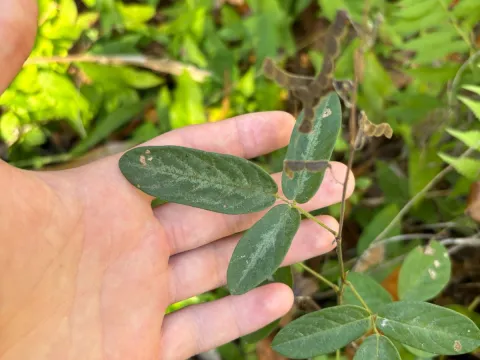
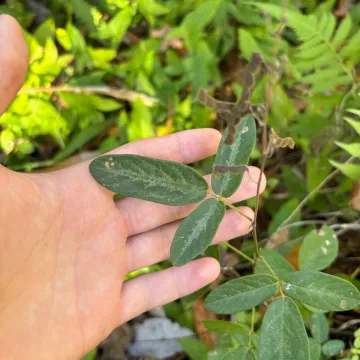
Creeping tick trefoil (Desmodium incanum DC.) is a perennial herbaceous plant belonging to the Fabaceae (legume) family. This species is widely recognized in tropical and subtropical agriculture for its significant role in forage production and its ability to improve soil fertility through symbiotic nitrogen fixation.
Originating from the tropical regions of the Americas, this species has become naturalized throughout the tropics worldwide. It thrives in diverse environments, ranging from open grasslands to forest clearings, making it a versatile plant for both managed agricultural systems and natural ecosystem restoration projects.
Botanically, the plant is characterized by its trifoliate leaves and stems that can grow either upright or trailing along the ground. Its capacity to produce small, hooked pods allows for efficient seed dispersal, while its robust root system enables it to persist through periods of environmental stress, including mild drought.
Agronomic requirements emphasize the need for well-drained soil and adequate exposure to sunlight. While the plant can tolerate various soil textures, it responds best to soils with a balanced pH level. Proper management includes rotational grazing or controlled mowing to prevent the biomass from becoming woody, which maintains the nutritional density of the forage.
Economically, the crop is utilized primarily as high-protein livestock feed and as a ground cover to mitigate soil erosion. In terms of protection, farmers must monitor for potential leaf spot diseases and infestation by specific coleopteran pests, which can be managed through crop rotation and the application of integrated pest management strategies.
- High protein content for grazing animals.
- Symbiotic nitrogen fixation in the root zone.
- Excellent soil cover to prevent erosion.
- Resilience against intensive pasture utilization.
Photo gallery