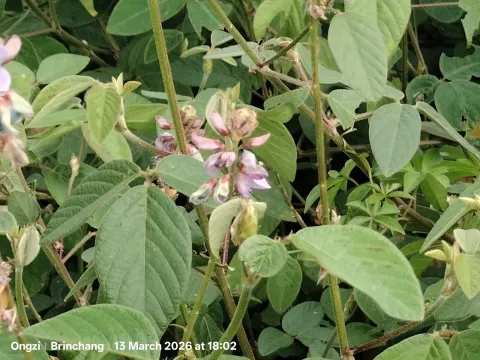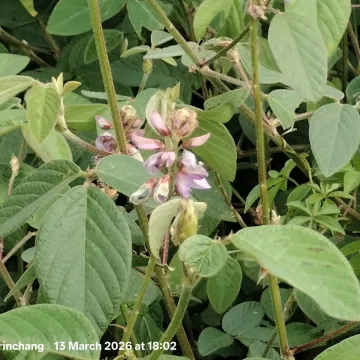
Desmodium intortum
Desmodium intortum (Mill.) Urb.
Description
Desmodium intortum, commonly known as greenleaf desmodium, is a perennial legume belonging to the Fabaceae family. It is widely recognized as a robust forage plant capable of forming dense, sprawling mats. Because of its significant nitrogen-fixing abilities, it plays a vital role in sustainable agriculture by enhancing soil nitrogen content for subsequent crops.
Native to Central and South America, this plant has been successfully introduced to tropical and subtropical regions across the globe. It thrives in humid environments and is particularly prominent in countries such as Australia, Brazil, and various nations in Southeast Asia. Its range is limited primarily by its inability to withstand severe frosts, making it unsuitable for temperate regions with harsh winters.
Botanically, it is characterized by its trifoliate leaves, which often display a distinct pale or silvery marking along the midrib. The stems are semi-erect or trailing, capable of rooting at nodes when in contact with moist soil. This rooting mechanism allows the plant to spread effectively, creating a persistent cover that is resistant to heavy grazing pressures.
For successful cultivation, Desmodium intortum requires well-drained soils with moderate to high fertility. It is relatively tolerant of acidic soils but performs best when phosphorus levels are adequate. Standard agronomic practices include seed inoculation with appropriate Rhizobium strains at the time of establishment to ensure robust nitrogen fixation from the start of the growth season.
- Requires 1000mm+ annual rainfall for optimal production.
- Can be established by sowing or through vegetative cuttings.
- High-protein content contributes to improved cattle weight gain.
- Sensitive to waterlogging, requiring careful pasture site selection.
The primary economic use is as a nutritious forage crop for cattle, significantly improving the quality of mixed-grass pastures. Despite its benefits, farmers must manage potential pests such as leaf-eating insects and monitor for fungal pathogens during prolonged wet periods, which can lead to stem or leaf rot if the field lacks proper drainage.
Photo gallery