Dicranella rufescens
Dicranella rufescens
Description
Dicranella rufescens is a species of moss belonging to the family Dicranaceae. While not categorized as a commercial agricultural crop, this moss serves a crucial ecological function as a pioneer species in various habitats, particularly in temperate regions across the Northern Hemisphere.
The distribution of this species is largely determined by moisture availability and soil pH. It thrives in humid environments such as riverbanks, roadside ditches, and exposed clay soils. It is typically found in areas where vegetation cover is sparse, allowing the moss to establish itself without significant competition from vascular plants.
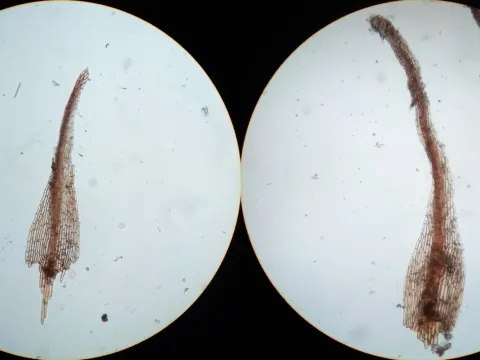
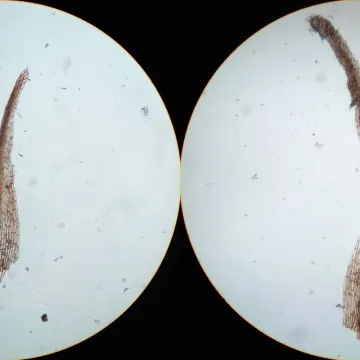
Botanically, Dicranella rufescens is characterized by its reddish-brown appearance, which forms small, dense turfs. The stems are upright, and the leaves are narrow and lanceolate. The life cycle involves the production of spores within capsules, which are elevated on thin stalks to facilitate dispersal by wind, ensuring the colonization of nearby suitable micro-habitats.
The environmental requirements for this moss are relatively specific: it prefers acidic substrates and cannot tolerate high salinity or prolonged exposure to direct, scorching sunlight. In terms of ecology, it requires no human-managed agrotechnology; it relies entirely on the natural hydrological cycles and the chemical properties of the mineral soil layers it colonizes.
The primary utility of this moss is found in environmental science and land reclamation, where it helps stabilize soil surfaces and prevent erosion in sensitive zones. It is generally resistant to typical agricultural pests, though it is highly vulnerable to industrial pollution and habitat loss. Maintaining natural humidity is the only way to preserve its populations in the wild.
Photo gallery