Naked crabgrass
Digitaria nuda
Description
Naked crabgrass (Digitaria nuda) is an annual grass species belonging to the Poaceae family. While it is primarily classified as an agricultural weed rather than a cultivated crop, it is a significant subject of study in agronomy due to its competitive nature and rapid growth cycle in various climatic conditions.
Originally native to tropical and subtropical regions, Digitaria nuda has expanded its range across many temperate zones globally. It thrives in disturbed habitats, including arable lands, orchards, and gardens, often outcompeting crops for water, nutrients, and sunlight during the peak summer growing season.
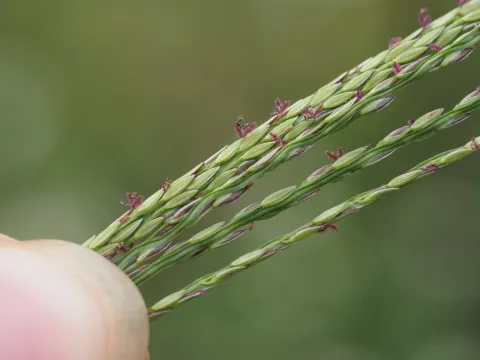
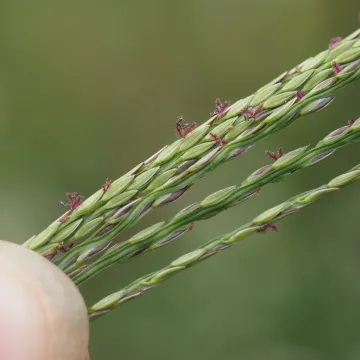
Botanically, the plant is characterized by its prostrate or ascending stems that often root at the nodes. Its leaves are smooth and linear, lacking the fine hairs common in other Digitaria species, which gives it the specific epithet 'nuda'. The inflorescence is composed of slender, finger-like racemes that produce a prolific amount of seeds.
Agronomic requirements include adequate soil moisture and high temperature, which trigger seed germination and subsequent development. Management strategies typically involve mechanical weeding in early growth stages and the targeted use of selective herbicides. Soil cultivation is crucial as the plant benefits from open spaces and minimal competition.
In terms of agricultural impact, it is considered a pest that can significantly reduce the yield of primary crops if not controlled. Typical diseases affecting the plant include various fungal pathogens like leaf rust, although the species demonstrates strong resilience. The primary goal of management is to prevent seed bank accumulation in the soil.
Photo gallery