Comb fingergrass
Digitaria pectiniformis
Description
Comb fingergrass (Digitaria pectiniformis) is an annual grass species belonging to the family Poaceae. This plant is recognized for its rapid growth cycle and high resilience in arid and semi-arid environments. In agricultural settings, it serves as a robust forage plant, capable of providing significant biomass under conditions where other common grasses might struggle to survive.
Originating from subtropical regions, the plant has established itself in various environments across the globe. It thrives in open, sunny habitats and is often found in disturbed soils or managed pastures. Its distribution is primarily limited by temperature, as it requires significant warmth for optimal seed germination and subsequent development of its vegetative organs.
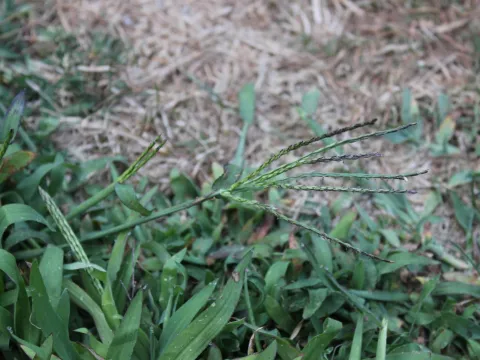
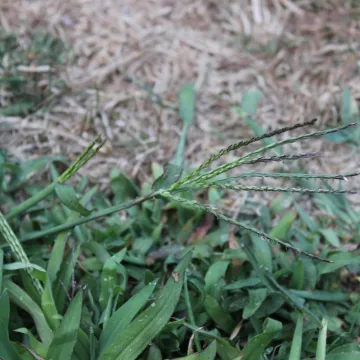
Botanically, Comb fingergrass is characterized by slender, often hairy stems and leaves that help regulate its water loss. The inflorescence consists of several racemes arranged in a finger-like pattern, which gives the plant its descriptive common name. The root system is fibrous and extensive, allowing the plant to compete effectively for water and nutrients in its immediate environment.
Agronomic management of Digitaria pectiniformis involves ensuring adequate seedbed preparation and timely planting during the warmer months of the year. While the plant is drought-tolerant, supplemental irrigation during the establishment phase can significantly enhance yields. It is generally resistant to most common grain diseases, though monitoring for aphids or locusts is recommended in areas with high pest density.
The primary use of Comb fingergrass is in livestock grazing and hay production. Its palatable nature makes it an excellent choice for cattle and small ruminants. Additionally, it plays an important role in soil conservation programs, as its dense root mat effectively stabilizes topsoil and prevents erosion on sloped or exposed agricultural land.
- Excellent heat and drought tolerance.
- Rapid biomass accumulation during the rainy season.
- High nutritional value for livestock feed.
- Useful for soil erosion control in sandy regions.
Photo gallery