Silky fingergrass
Digitaria sericea
Description
Silky fingergrass (Digitaria sericea) is a perennial grass species belonging to the Poaceae family. Known for its distinct soft-haired texture, this grass is a valuable component of grassland ecosystems, particularly in warm-climate regions. It is recognized for its durability and resilience in diverse environmental conditions, making it a subject of interest for local pastoral agriculture.
The native range of Digitaria sericea is centered primarily in the African continent, spanning tropical and subtropical areas. It thrives in savannahs and grasslands where it has evolved to cope with seasonal moisture fluctuations and low-nutrient substrates. Its ability to colonize marginal lands makes it a vital species for maintaining ground cover in regions prone to erosion.
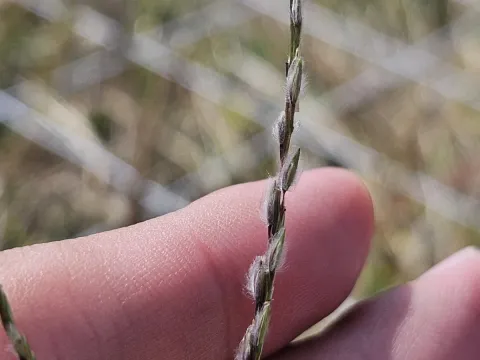
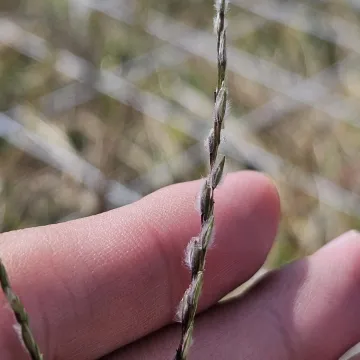
The botanical profile of this species is characterized by its tufted habit and fine, pubescent leaves. The inflorescence consists of digitated racemes, which is the hallmark of the Digitaria genus. These structures facilitate efficient seed dispersal and ensure the plant's survival across varied landscapes. Its root system is relatively extensive, allowing the plant to reach deep moisture reserves during dry spells.
From an agronomic perspective, Digitaria sericea prefers well-drained, sandy or loamy soils. It is highly responsive to minimal management practices, although it benefits from rotational grazing to maintain stand vigor. The plant exhibits high drought tolerance, which reduces the need for supplemental irrigation, provided that soil moisture is not depleted beyond the plant's physiological limit.
Economically, the species is primarily utilized for livestock grazing. While it may not match the biomass production of modern high-input forage crops, it provides essential nutrition in extensive farming systems. Pests and diseases such as rust fungi and minor insect infestations are typically managed through proper grazing rotation and maintaining healthy soil conditions, ensuring the long-term sustainability of the pasture.
Photo gallery