
Digitaria stricta
Digitaria stricta
Description
Digitaria stricta is an annual grass species belonging to the Poaceae family. Known for its resilience and adaptability, this plant is recognized for its ability to thrive in warm climates where other forage crops struggle to survive. It represents a significant genus within the grass family, often utilized for biomass production and soil stabilization in tropical and subtropical regions.
The native range of Digitaria stricta primarily encompasses regions across Asia and Africa. Historically, it has been utilized in agricultural systems that favor drought-tolerant species. Its evolutionary background has enabled it to survive in environments with unpredictable rainfall patterns, making it a reliable resource for pastoral farming in arid and semi-arid zones.
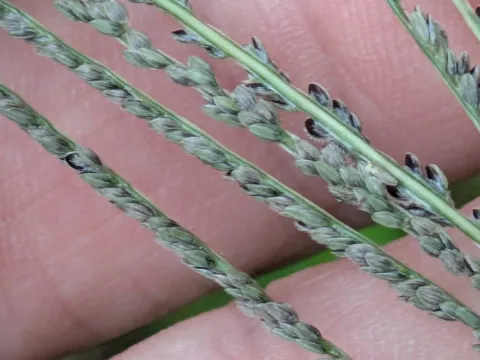
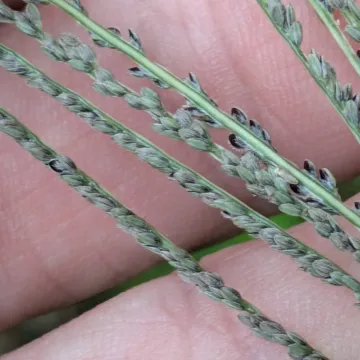
Botanically, the plant is characterized by its erect stems and narrow, elongated leaves. It exhibits a fibrous root system that allows for efficient uptake of nutrients and water from varying soil depths. The inflorescence of the plant is typical for the genus, consisting of several spikes that produce a high volume of small seeds, which contributes to its successful propagation in natural and cultivated environments.
The cultivation of Digitaria stricta requires well-drained soil to prevent root rot, as the plant is susceptible to waterlogging. It thrives best in open, sunny areas with moderate soil fertility. Agronomic practices should focus on timely sowing during the onset of the warm season and ensuring adequate nitrogen availability to promote leaf growth, which is essential for maximizing the yield of green matter.
The primary agricultural use of Digitaria stricta is as fodder for livestock, providing a valuable source of nutrients when harvested at the right stage of development. Producers should monitor the crop for common pests, such as grass-feeding insects and aphids, and implement preventative strategies against fungal diseases like rust. Regular field scouting and maintaining proper crop density are crucial for ensuring high productivity and minimizing yield losses.
Photo gallery