Hairy crabgrass
Digitaria villosa
Description
Hairy crabgrass (Digitaria villosa) is an annual grass species belonging to the Poaceae family. Known for its distinct morphological traits, it serves as a common component of grassland ecosystems and offers specific advantages in forage production and soil stabilization efforts in its native range.
The plant originates from tropical and subtropical regions, though it has successfully adapted to various environments globally. It thrives in well-lit areas with open canopies and shows a strong preference for sandy or loamy soils, which provide the necessary drainage for its root system to remain healthy.
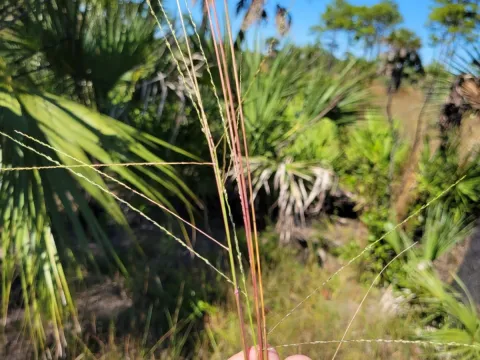
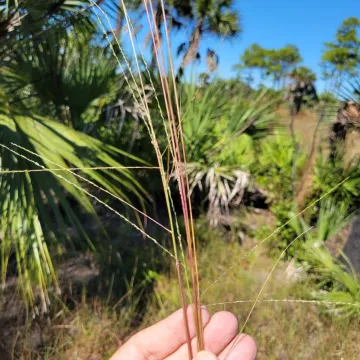
Botanically, Digitaria villosa is distinguished by its hirsute (hairy) leaf surfaces and stems, which provide a degree of protection against herbivory and environmental stressors. The plant produces a characteristic digitate inflorescence, consisting of several spikes arranged in a finger-like pattern, ensuring efficient wind pollination and seed dispersal.
Agronomic requirements for this species focus primarily on sunlight availability and soil drainage. It is relatively drought-tolerant once established but requires consistent moisture during the early growth stages to maximize biomass production. Cultural practices involve monitoring soil nutrient levels, particularly nitrogen, which significantly impacts the vegetative development of the grass.
In terms of usage, it is primarily utilized as livestock forage and as a ground cover plant to prevent soil erosion. Diseases typically include common fungal pathogens like rusts or leaf blights, especially under high humidity. Pests such as armyworms or grasshoppers are among the primary threats that require integrated pest management to protect the crop.
Photo gallery