Violet crabgrass
Digitaria violascens
Description
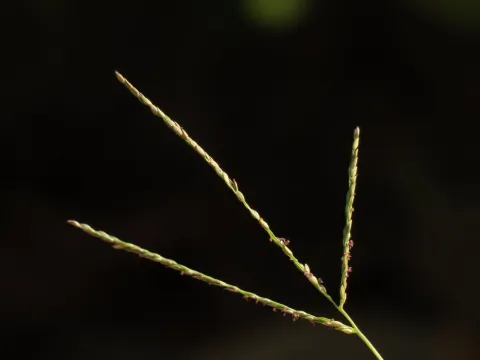
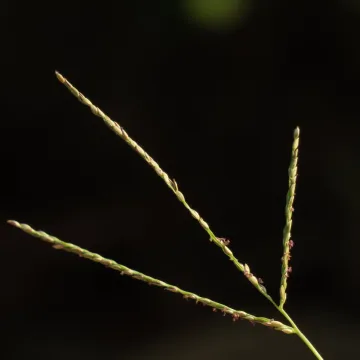
Violet crabgrass (Digitaria violascens) is an annual grass species belonging to the Poaceae family. Known for its adaptability, this grass serves as a significant forage resource in various tropical and subtropical agricultural systems across the globe.
Originally native to parts of Asia, this species has successfully naturalized across diverse climates in Africa and the Americas. It is commonly found in managed pastures, meadows, and open fields, where it contributes to the overall biomass production of grazing lands.
From a botanical perspective, Digitaria violascens is characterized by its slender, often tufted stems that can grow up to 60 centimeters in height. The leaves are typically narrow and may exhibit a distinct purplish hue, which is the primary feature behind its common name. The root system is fibrous and efficient at nutrient uptake from the upper soil layers.
Cultivation requirements include a preference for well-drained, fertile soils and full sun exposure. It is sensitive to frost and thrives in warm, temperate to tropical climates. Agronomic practices involve regular soil moisture monitoring and strategic nitrogen fertilization to maximize the nutritional quality and yield of the vegetative parts.
The primary economic use of this plant is as a palatable forage for cattle and other livestock, both as fresh grazing material and dried hay. While it is generally a robust crop, producers should remain vigilant against common grass pests and pathogens, such as fungal rusts and aphids, particularly in high-humidity environments where airflow is restricted.
Photo gallery