Diplotaxis ilorcitana
Diplotaxis ilorcitana
Description
Diplotaxis ilorcitana is a distinctive herbaceous plant belonging to the Brassicaceae family. It is a close relative of other wall-rocket species, characterized by its resilient nature and specialized adaptation to high-temperature and low-moisture environments. The plant is considered a significant botanical resource within its natural ecosystem.
The plant originates from the arid regions of Southeastern Spain, specifically adapted to rocky, calcareous landscapes. Its distribution in agricultural practice is niche, primarily focused on Mediterranean regions where its drought tolerance can be fully leveraged. It thrives in open, sunny locations with excellent drainage.
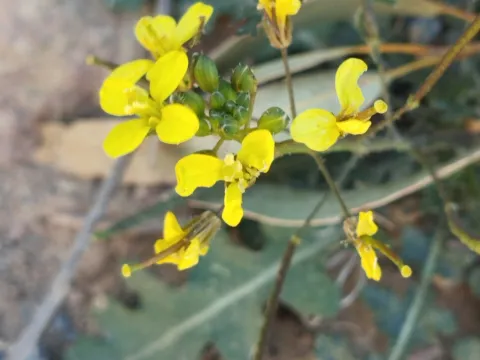
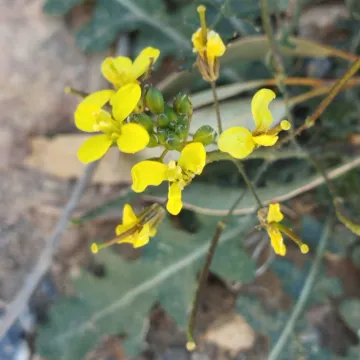
Botanically, the species is identified by its rosette of deeply lobed, mustard-flavored leaves and its ability to develop a woody taproot system. The flowers are typically yellow, typical of the genus, appearing in elongated racemes. These features allow the plant to survive prolonged dry spells that would be fatal to less specialized crops.
Cultivation requirements for this species are centered on soil quality and light exposure. It prefers alkaline soils and is highly sensitive to waterlogging. Farmers should focus on sowing in well-drained beds and maintaining consistent airflow to prevent fungal issues. Fertilization should be kept light, as high nitrogen levels can compromise the delicate peppery flavor of the foliage.
Regarding its utility, the plant is primarily harvested for culinary purposes as a gourmet green. It is increasingly popular in the fresh produce market due to its bold taste profile, which pairs well with salads and Mediterranean cuisine. While relatively resistant to common cruciferous pests, monitoring for aphids and flea beetles remains a standard agricultural practice to ensure leaf quality.
Photo gallery