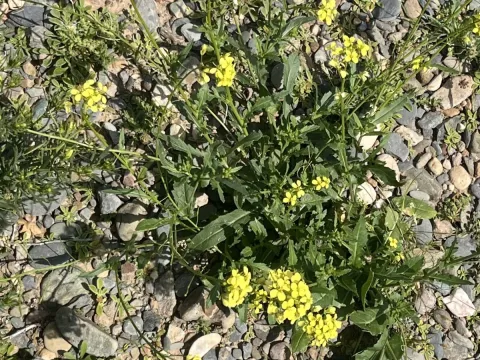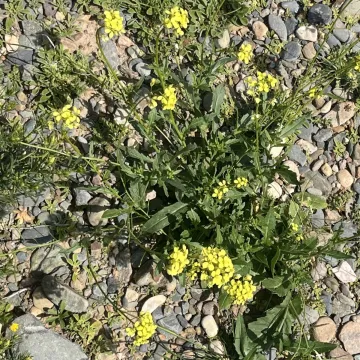
Slimpod wall-rocket
Diplotaxis tenuisiliqua
Description
The Slimpod wall-rocket (Diplotaxis tenuisiliqua) is a herbaceous perennial or biennial plant belonging to the Brassicaceae family. As a relative of the common arugula, it is gaining popularity as a specialty green crop due to its unique flavor profile and robust growth habits. It is increasingly recognized in sustainable agriculture for its hardiness and nutritional value.
The plant originates from the Mediterranean and Western Asian regions, but it has successfully naturalized in various temperate zones globally. Its natural habitat includes rocky terrains and disturbed soils, which translates into an excellent tolerance for poor soil conditions and minimal fertility requirements, making it a reliable crop for marginal agricultural lands.
Botanically, Diplotaxis tenuisiliqua is characterized by a deep taproot, basal rosettes of deeply lobed, often serrated leaves, and flowering stems that bear vibrant yellow cross-shaped flowers. The specific epithet tenuisiliqua refers to its distinctively slender and thin pods, which are a key diagnostic feature separating it from more common Diplotaxis species.
Regarding cultivation, the plant prefers well-drained soils and full sun exposure. While it is drought-tolerant once established, supplemental irrigation during the seedling stage significantly enhances biomass production. Weed control is essential during the initial phases of establishment, as the seedlings can be outcompeted by more aggressive weeds before they develop their characteristic root system.
The primary use of this crop is in the fresh produce market, where it is consumed as a spicy, nutty-flavored green. Besides its culinary appeal, the plant is a valuable biological resource, acting as a host for beneficial pollinators. In integrated pest management, it is sometimes used as a trap crop to divert certain pests away from more sensitive primary vegetable crops.
- High nutrient density in leaves
- Excellent resistance to heat stress
- Adaptability to various soil types
- Useful as a pollinator-friendly plant
Photo gallery