Dipterocarpus alatus
Dipterocarpus alatus Roxb. ex G. Don
Description
Dipterocarpus alatus is a massive evergreen tree species belonging to the Dipterocarpaceae family. Renowned for its impressive size, this tree can grow up to 50 meters in height with a straight, cylindrical trunk that often reaches significant girth. It is widely considered a cornerstone species in its native tropical forest ecosystems due to its structural dominance and longevity.
The natural range of this species extends across Southeast Asia, including countries like Thailand, Vietnam, Myanmar, and Laos. It thrives in tropical climates characterized by high rainfall and humidity. The tree is typically found in lowland forests, especially near rivers and streams where deep alluvial soils provide the necessary moisture and nutrients for optimal growth.
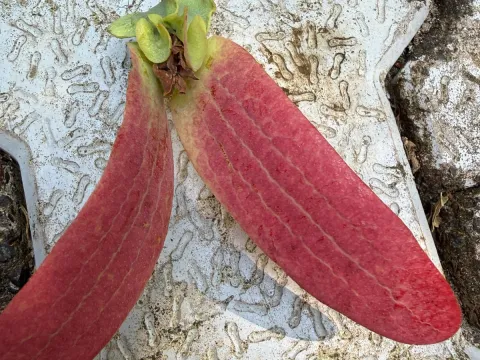
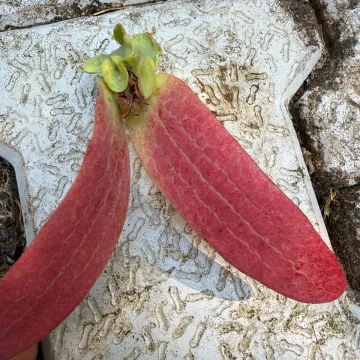
Botanically, the species is recognized by its large, leathery, ovate leaves and small, fragrant flowers. One of its most distinctive features is its fruit, which possesses two long, wing-like lobes (calyx segments). This unique adaptation allows the seeds to be wind-dispersed over significant distances, ensuring the species can colonize new areas effectively within its range.
In terms of agricultural and silvicultural requirements, Dipterocarpus alatus prefers deep, fertile, and well-drained soils. While it is naturally tolerant of high humidity, it requires consistent care during its juvenile phase to ensure successful establishment. Planting density must be carefully managed to prevent competition for light, as the species is relatively light-demanding once it matures into a dominant canopy tree.
- Commercial production of high-quality hardwood timber.
- Extraction of oleoresins used in traditional medicine and industrial varnishes.
- Reforestation projects aimed at ecosystem restoration.
- Use as a shade tree in large-scale tropical agroforestry systems.
The primary health risks for Dipterocarpus alatus include various fungal pathogens that thrive in humid, stagnant air conditions and wood-boring insects that target weakened or stressed trees. Effective management involves rigorous silvicultural practices, including proper thinning of stands to improve ventilation and regular monitoring to detect and mitigate potential pest infestations at an early stage.
Photo gallery