
Sri Lankan Dipterocarpus
Dipterocarpus zeylanicus Thwaites
Description
Sri Lankan Dipterocarpus (Latin: Dipterocarpus zeylanicus Thwaites) is a large evergreen tree species belonging to the family Dipterocarpaceae. It is an endemic species that holds significant ecological importance within the forest ecosystems of its native range.
The natural distribution of this species is confined to the tropical rainforests of Sri Lanka. The tree thrives in regions characterized by heavy rainfall and high humidity, typically found in lowland rainforests where it serves as a dominant component of the canopy layer.
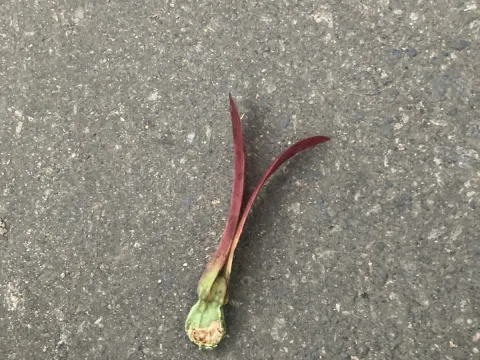
Botanically, the plant features a robust trunk with smooth bark and large, leathery leaves. Its reproductive cycle involves the production of winged fruits, a hallmark of the Dipterocarpaceae family, which facilitate wind-assisted seed dispersal. The root system is well-developed, ensuring structural stability in the soft soils of the tropical floor.
Successful cultivation of this species requires fertile, well-drained, deep soils with an acidic to neutral pH level. The tree is strictly tropical, requiring consistently high temperatures throughout the year and is highly intolerant of frost, extreme dry spells, or significant fluctuations in moisture levels.
The economic value of this species lies primarily in its high-quality timber, traditionally utilized in carpentry and construction. Furthermore, species within this genus are known for producing specialized resins, which have potential applications in the pharmaceutical and paint industries. In its native habitat, the species plays a crucial role in maintaining local biodiversity.
- High demand for constant humidity.
- Slow growth rate during the juvenile stage.
- Susceptibility to microclimate changes caused by deforestation.
- Vulnerability to specific tropical fungal pathogens if silvicultural practices are neglected.
Photo gallery