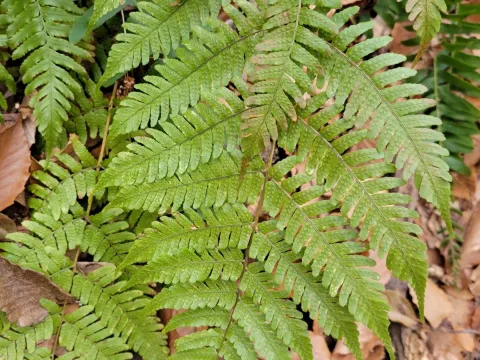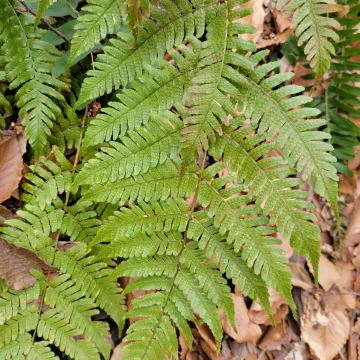
Japanese shield fern
Dryopteris erythrosora
Description
Japanese shield fern (Dryopteris erythrosora) is a popular perennial fern belonging to the Dryopteridaceae family. It is widely recognized in horticulture for its spectacular young fronds, which emerge in striking copper-red or bronze shades. As the season progresses, these leaves gradually transition into a lush, glossy dark green, providing a multi-seasonal visual interest in shade gardens.
Originating from East Asia, specifically China, Japan, and Korea, this fern naturally thrives in woodland settings. It is well-adapted to temperate climates, preferring environments that replicate its native forest floor habitat. Its ability to maintain its foliage even in mild winters makes it a preferred choice for landscape designers working in temperate zones.
The cultivation of Dryopteris erythrosora requires well-drained, humus-rich, and consistently moist soil. While it is relatively versatile, it performs best in slightly acidic soil conditions. Proper site selection is crucial: it should be placed in areas with dappled sunlight or deep shade to prevent foliage burn and ensure the plant maintains its vibrant color palette.
Agronomic management includes regular irrigation during dry spells and generous mulching with organic matter, such as leaf mold or pine needles. This practice helps preserve soil moisture and provides a slow-release nutrient source. Pruning should be kept minimal, focusing only on removing damaged or dead fronds in early spring before the new growth starts.
- Excellent choice for woodland and shade borders
- Striking color shift from copper to deep green
- Relatively low maintenance once established
- Good resistance to cold in appropriate zones
- Minimal disease and pest incidence in typical gardens
Regarding health and protection, the Japanese shield fern is remarkably resilient. It is not typically bothered by major pests, although slugs and snails may target the tender new growth during wet weather. Maintenance of soil hygiene and moderate moisture control are sufficient to prevent most pathological issues, making it an ideal candidate for low-maintenance garden designs.
Photo gallery