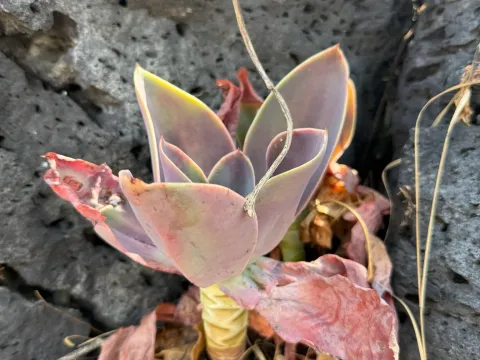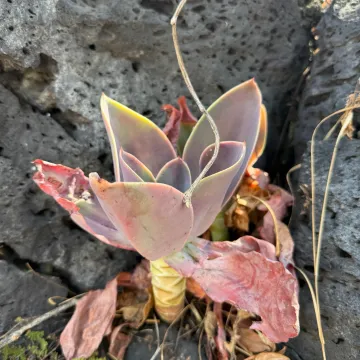
Echeveria gibbiflora x pulidonis
Echeveria gibbiflora DC. x E. pulidonis E. Walther
Description
Echeveria gibbiflora x pulidonis (Echeveria gibbiflora DC. x E. pulidonis E. Walther) is a complex hybrid belonging to the Crassulaceae family. This horticultural crop is highly valued for its striking architectural appearance, effectively merging the robust, broad foliage of E. gibbiflora with the sharp, compact geometry of E. pulidonis.
The ancestral origins of these species trace back to the arid mountainous and rocky regions of Mexico. As a cultivated plant, it is grown globally in professional nurseries, botanical conservatories, and residential environments. Its ability to adapt to container gardening makes it an essential specimen for succulent enthusiasts and commercial ornamental plant production.
Botanically, the hybrid exhibits dense rosettes of thick, succulent leaves that store moisture, allowing the plant to thrive in regions with erratic rainfall. The leaf margins are often characterized by subtle pigmentation, such as pink or deep red outlines, which intensify when the plant is exposed to adequate ultraviolet radiation. The root system is relatively shallow, necessitating specific soil compositions.
Agrotechnical requirements prioritize high-drainage substrates consisting of coarse sand, pumice, and loam. It is essential to provide full sun exposure; otherwise, the plant tends to etiolate, losing its compact form. Watering must be precise, following the soak-and-dry method, ensuring the growing medium is completely dry before subsequent hydration to prevent potential rot.
Typical plant health challenges include infestation by mealybugs and root aphids, which require timely intervention with systemic insecticides or mechanical removal. Pathogens such as Botrytis or various root fungi occur primarily in conditions of poor air circulation or overwatering. Consistent cultural management, including a cool, dry dormant phase during winter, is crucial for preserving the plant's health and aesthetic value.
- Use of high-drainage pots with porous material.
- Monitoring for mealybug colonies in leaf axils.
- Exposure to 6+ hours of bright, indirect to direct light.
- Temperature range maintenance between 15°C and 25°C during growth.
Photo gallery