Mexican Firecracker
Echeveria setosa Rose & Purpus
Description
Mexican Firecracker (lat. Echeveria setosa) is a perennial succulent plant belonging to the Crassulaceae family. It is widely recognized for its rosettes of fleshy green leaves, which are densely covered in fine, white, hair-like bristles, giving the plant a unique fuzzy texture.
The plant originates from the mountainous regions of Mexico, specifically the states of Puebla and Oaxaca. In its native habitat, it grows on rocky slopes, thriving in environments characterized by excellent drainage and exposure to high levels of natural solar radiation.
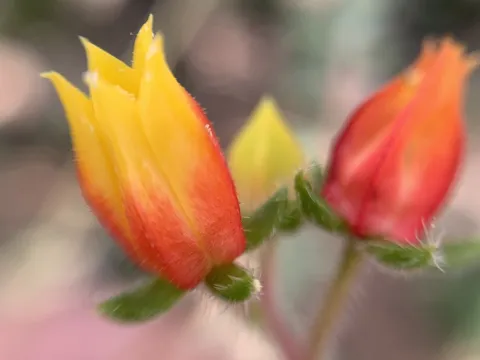
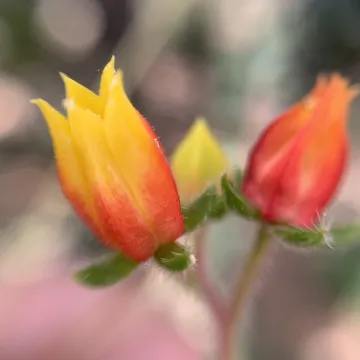
Botanically, it forms a compact rosette that grows up to 15 cm in diameter. During its flowering phase, usually in late spring, the plant produces tall, thin stalks featuring striking red and yellow flowers. These blossoms add significant ornamental value to the plant during the growing season.
Successful cultivation requires a well-draining succulent-specific substrate and a deep, infrequent watering regimen. It is critical to ensure that the soil dries out completely between waterings to prevent root rot, as the plant is highly susceptible to fungal infections caused by overly wet conditions.
In terms of agricultural and horticultural use, this species is a staple in container gardening, indoor rock gardens, and xeriscaping. Its slow growth rate and attractive foliage make it an ideal choice for collectors and greenhouse cultivation, where it can be protected from frost and excessive moisture.
- Sun exposure: Bright, direct light to partial sun.
- Soil type: Gritty, fast-draining cactus mix.
- Common pests: Mealybugs, spider mites.
- Dormancy: Needs cooler temperatures in winter to thrive.
Photo gallery