Swampyard grass
Echinochloa paludigena
Description
Swampyard grass (Echinochloa paludigena) is a member of the Poaceae family, specifically adapted to wetland environments. Unlike its weedy relatives that plague arable fields, this species has evolved to thrive in high-moisture conditions, making it an object of study for specialists looking into forage production in marshy, non-arable lands that are unsuitable for traditional cereals.
Originating from the tropical and subtropical regions of the Americas, this species is naturally found in riparian zones, wetlands, and flooded lowlands. Its distribution is closely linked to its ability to handle saturated soils, where the soil profile remains anaerobic for extended periods, a condition that would typically cause root rot in standard cereal crops.
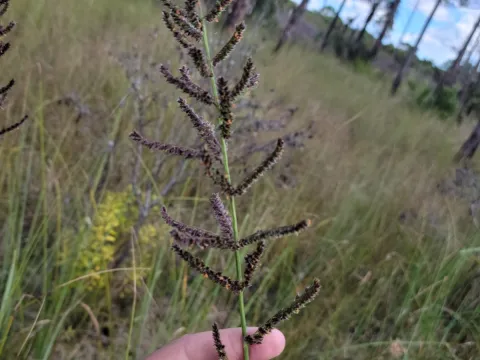
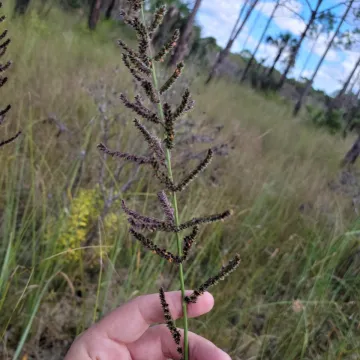
The botanical characteristics of Echinochloa paludigena include a strong, fibrous root system designed for oxygen exchange in waterlogged environments. Its stems are robust and capable of reaching significant heights. The inflorescence consists of a characteristic panicle with spikelets, which are typically dense and provide a reliable seed set, allowing the plant to maintain stable populations year after year.
Agronomic requirements for this species are focused on hydrological management. While it is highly tolerant of flooding, it performs best in soils with high organic matter content. For successful development, the crop requires full sunlight and protection from severe competition by faster-growing hydrophytes during the initial establishment phase. Proper nutrient management, particularly phosphorus and nitrogen, can significantly boost biomass yield.
The primary use for this crop involves forage harvesting in wetland areas where traditional equipment can be deployed, as well as ecological restoration of degraded marshes. Farmers should remain vigilant regarding plant health, as the humid conditions that favor its growth also support various pathogens:
- Rust fungi (Puccinia spp.)
- Helminthosporium leaf spot
- Aphids
- Stem-boring insects
Photo gallery