Echinopogon intermedius
Echinopogon intermedius
Description
Echinopogon intermedius is a perennial grass species belonging to the Poaceae family. Known as a native plant of Australia, this species is increasingly recognized for its role in pasture ecosystems. It is characterized by its ability to thrive in diverse environments, serving as a reliable source of forage for grazing livestock in its natural habitat.
The origin of the species is linked to the variable climate of Australian grasslands and woodlands. Due to its evolutionary history, it possesses a high degree of ecological flexibility, allowing it to adapt to various soil types, ranging from nutrient-poor sandy soils to more structured loams. Its geographical distribution confirms its capability to withstand moderate environmental stress while maintaining its population.
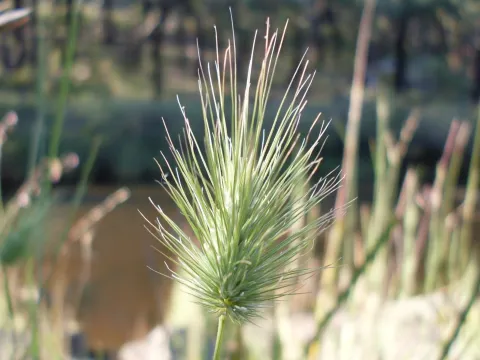
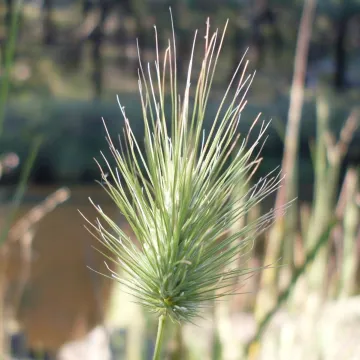
Botanically, the plant is identified by its compact, spiky panicle inflorescence, which gives it a distinct bristly appearance. The plant typically grows in bunches, featuring slender leaves and firm stems that provide structural stability. Its root system is deep and fibrous, which is a key adaptation for water retention and nutrient uptake in competitive plant communities.
Agricultural requirements focus on providing a stable growth environment with sufficient drainage. While the plant is drought-tolerant once established, its productivity significantly increases with regular seasonal rainfall. Proper site preparation, including weed management during the establishment phase, is crucial, as the grass has a slower germination rate compared to some high-intensity forage varieties.
The primary utility of this culture is for extensive grazing purposes. To maintain the health of the stand, farmers should focus on mitigating common issues such as:
- Fungal pathogens such as rust, especially in humid conditions.
- Pressure from insect pests targeting the succulent leaf tissues.
- Compaction of soil due to overgrazing, which inhibits root respiration.
- Competition from invasive weeds during the early developmental stages.
Photo gallery