Description
Leafy Nineawn (Enneapogon polyphyllus) is a perennial grass species belonging to the Poaceae family. Known for its remarkable resilience, it serves as a critical agricultural resource in arid environments where other forage crops struggle to survive. Its biological structure is optimized for efficient water usage in harsh, dry climates.
The native distribution of this plant is primarily within Australia, spanning a variety of arid and semi-arid landscape types. As a forage grass, it has gained attention for its ability to stabilize fragile soils and provide consistent grazing material in regions subjected to prolonged dry seasons and high temperatures.
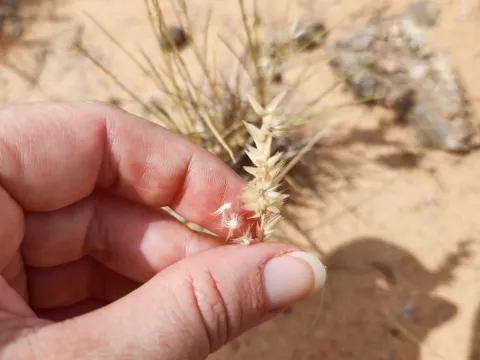
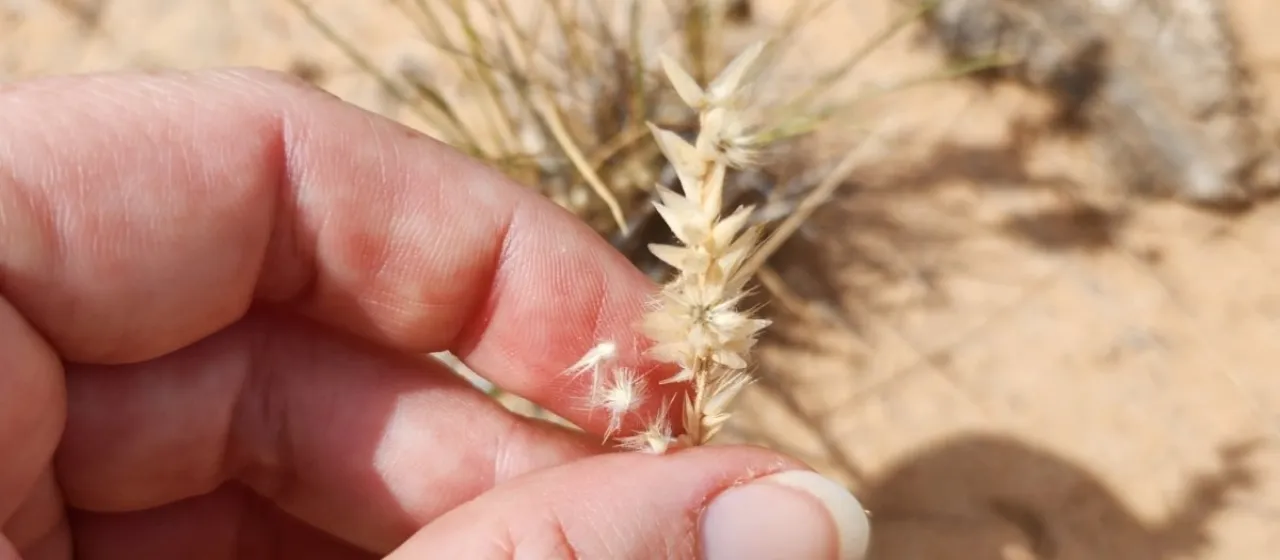
Botanically, the plant is characterized by its leafy stems and dense, spike-like panicles. This "leafy" appearance, as noted in its specific epithet, allows for a greater photosynthetic surface area, which supports plant recovery after grazing or drought stress. The root system is fibrous and deep, facilitating the absorption of moisture from deeper soil layers.
Regarding climate and soil, Leafy Nineawn thrives in well-drained, sandy or loamy soils with low salinity. It requires high light intensity and is intolerant of shade or stagnant water. Agronomic management involves site selection that mimics its native habitat, ensuring minimal disturbance to the soil structure to allow for deep root penetration.
The primary economic use is the improvement of grazing lands in dry zones. Farmers often incorporate this species into rangeland management programs to increase the protein content of available forage. Common challenges include potential infestations of grasshoppers and, under rare conditions of excessive irrigation, susceptibility to fungal root rot.
- Requires minimal nutrient input.
- Highly resistant to prolonged droughts.
- Best managed with rotational grazing.
Photo gallery