Description
Enydra sessilis is an herbaceous plant belonging to the Asteraceae family. It is a semi-aquatic species commonly found in marshy habitats, wetlands, and the edges of tropical water bodies. As a plant adapted to life near water, it displays unique physiological characteristics that allow it to thrive in saturated soil conditions where many other crops would succumb to root rot.
The origin of Enydra sessilis is rooted in the tropical and subtropical regions of Asia. Its natural range extends across parts of India and Southeast Asia, where it is frequently observed growing wild in association with rice cultivation areas. The plant has become a traditional part of local agricultural systems due to its ability to utilize damp land that is often unsuitable for conventional crops.
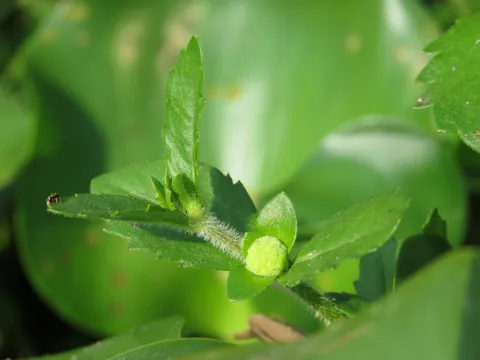
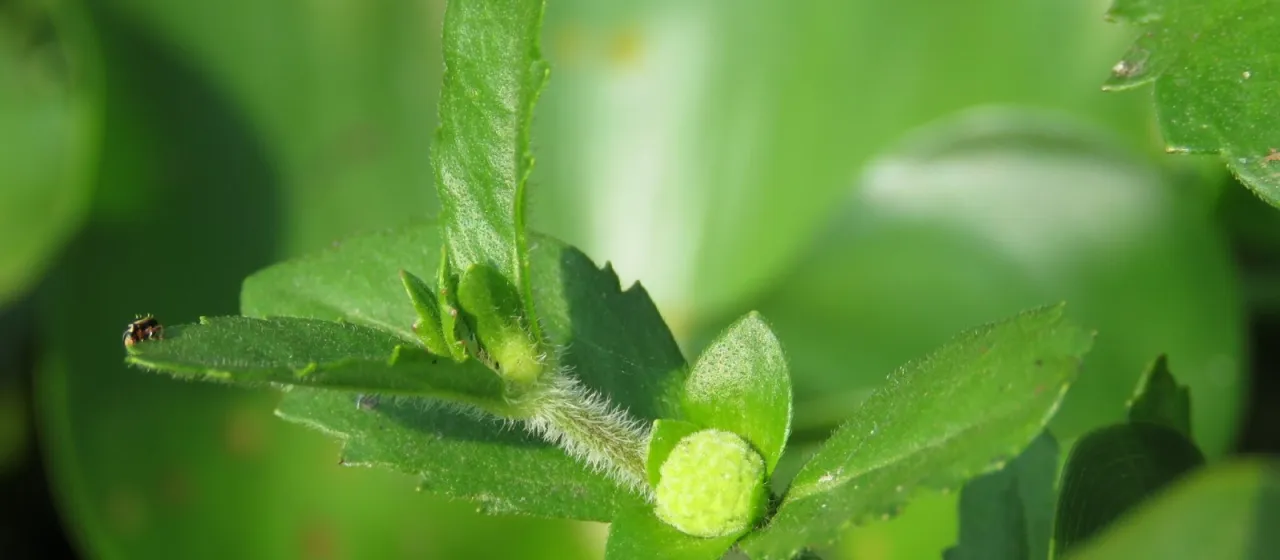
Botanically, this plant is characterized by its elongated, trailing stems that possess the ability to root at the nodes. The leaves are typically sessile or sub-sessile, linear-oblong in shape, and arranged in an opposite pattern. The inflorescences consist of small capitula, typical of the Asteraceae family, which appear during the active growth phase when moisture levels are sufficient.
Cultivation requires specific environmental conditions, primarily high humidity and stable water levels. The soil should be nutrient-rich and loamy to support the rapid growth of the biomass. Agronomic practices involve regular monitoring of water depth and ensuring the plant receives adequate sunlight. It is sensitive to drought and salt stress, making moisture management the most critical component of its production.
The primary economic use of Enydra sessilis is as a nutritious green vegetable. Its leaves and tender stems are harvested for culinary applications, often used in regional cuisines to prepare soups and traditional dishes. Beyond food, the plant is valued in ethnobotany for its potential medicinal properties, which are often cited in regional traditional healing practices to treat various minor ailments.
- High requirement for nitrogen-rich soil.
- Optimal growth temperatures between 25°C and 30°C.
- Susceptibility to common leaf-chewing insects.
- Ease of propagation via stem cuttings.
Photo gallery