Description
Eremogone biebersteinii is a perennial herbaceous plant belonging to the Caryophyllaceae family. Previously classified under the genus Arenaria, this species is noted for its cushion-forming growth habit, making it a valuable subject for specialized ornamental horticulture and rock gardening.
Originating from the mountainous regions of Crimea and the Caucasus, the plant is naturally adapted to rugged, rocky terrains. Its evolutionary history in high-altitude environments has resulted in a deep taproot system and a high degree of tolerance to environmental stressors such as nutrient-poor soils and limited water availability.
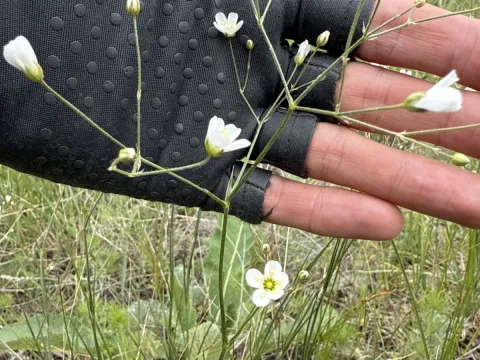
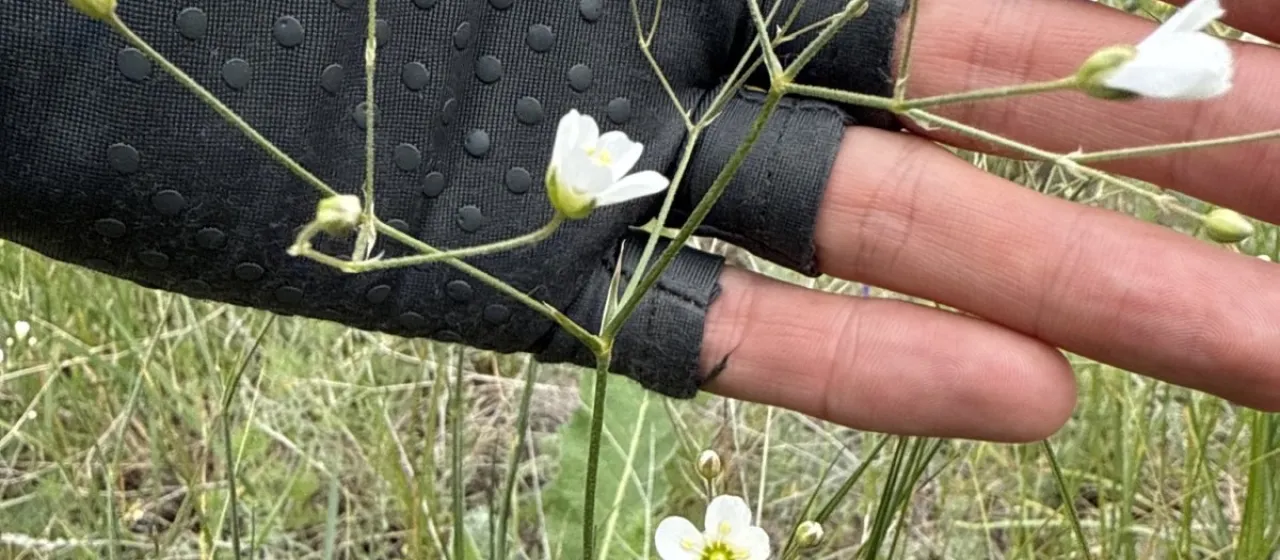
Botanically, it is characterized by narrow, linear leaves organized in dense basal rosettes. During the late spring and early summer, it produces delicate, white, five-petaled flowers carried on slender stalks. The plant structure is designed to minimize transpiration, allowing it to survive in exposed, sunny, and windy habitats.
From an agronomical perspective, Eremogone biebersteinii requires well-drained, gritty, or sandy soils to thrive. It is essential to avoid heavy, water-retentive substrates, as the species is highly susceptible to root rot if exposed to excessive moisture. The crop prefers full sun and requires minimal maintenance once established, thriving in low-fertility conditions.
The primary use of this species is in decorative landscaping, particularly in rock gardens, scree beds, and xeriscaping projects. While it is generally resilient against common pests and diseases, gardeners must ensure proper drainage to prevent fungal pathogens. Regular fertilization is not recommended, as it encourages weak, etiolated growth that diminishes the plant's natural aesthetic.
Photo gallery