Description
Fendler's sandwort (Eremogone fendleri) is a resilient perennial herbaceous plant belonging to the Caryophyllaceae (pink) family. Formerly classified within the genus Arenaria, it is now recognized under the genus Eremogone. This plant is highly regarded in horticultural circles for its aesthetic appeal in rock gardens, characterized by its neat, mounding growth habit and delicate white flowers.
The native range of this species is primarily concentrated in the western regions of North America. It naturally inhabits rocky slopes, dry pine forests, and subalpine meadows, thriving in harsh environments where other plants struggle. Its evolutionary adaptation to high-altitude and arid conditions makes it a robust choice for modern landscaping, particularly in regions prone to summer drought.
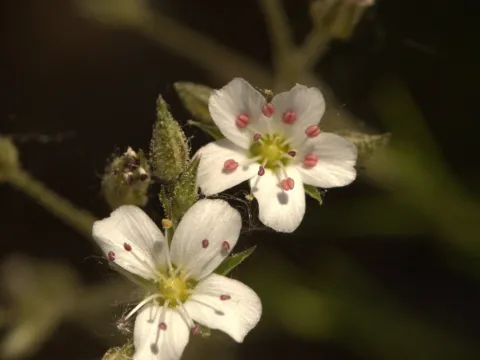
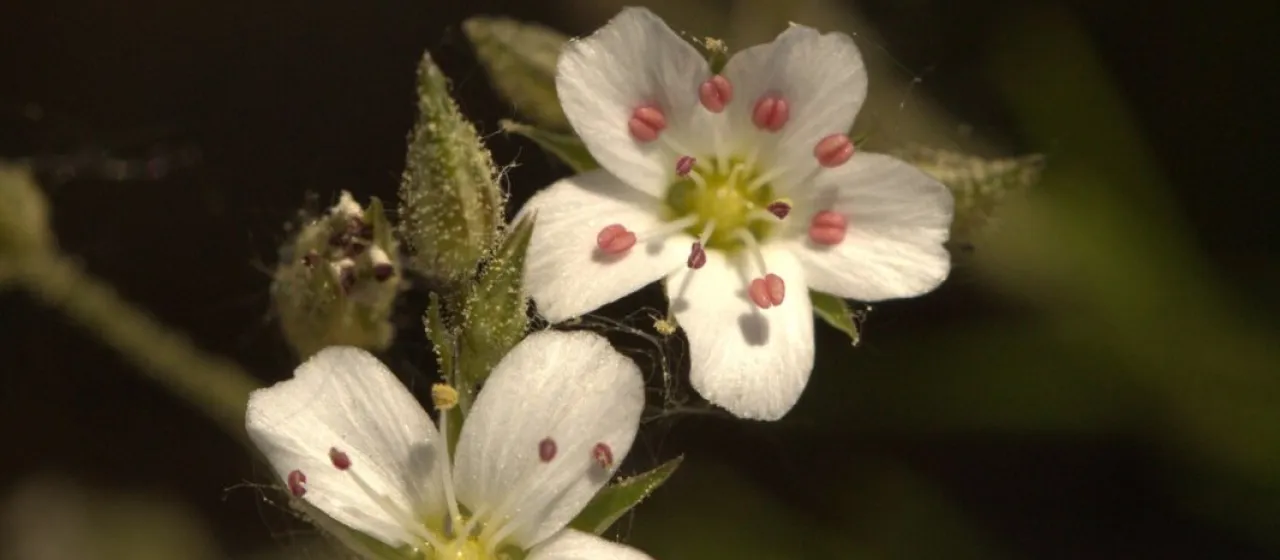
Botanically, the plant develops dense, needle-like foliage that forms a cushion or mat, which is highly efficient at retaining moisture and preventing evaporation. During its blooming season, it produces airy panicles of small, five-petaled white flowers on slender stalks. The plant features a deep taproot, which is essential for stabilizing itself in rocky substrates and accessing water during prolonged dry periods.
Cultivation requirements for Eremogone fendleri focus on mimicking its natural habitat. The plant demands excellent drainage; any accumulation of water around the crown will lead to rapid decay. It thrives in poor, gritty, or sandy soils and requires full sun exposure to maintain its compact form and produce abundant blooms. Regular soil amendment with organic matter is generally discouraged, as it can cause the plant to become leggy and susceptible to disease.
In terms of хозяйственное использование (agricultural and ornamental use), it is primarily utilized as a specialized landscape plant:
- Rock garden foundation and crevices;
- Xeriscaping for water-wise garden designs;
- Slope stabilization in sunny, rocky areas;
- Container gardening in alpine-style troughs.
Common health issues include fungal pathogens triggered by poor ventilation or excessively humid conditions. Growers should be vigilant against root rot, which is the most frequent cause of plant mortality. Pests are minimal, though spider mites may occasionally appear during extreme heatwaves. The best management practice is to utilize inorganic mulch, such as gravel or crushed stone, around the base of the plant to keep the foliage away from soil moisture.
Photo gallery