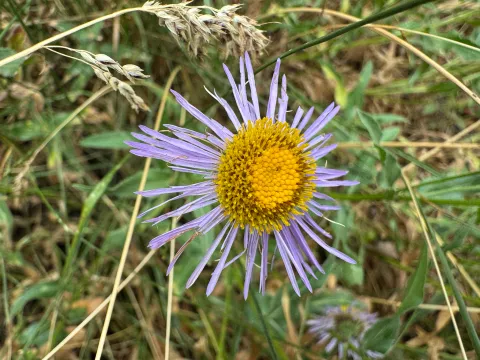
Aspen fleabane
Erigeron speciosus (Lindl.) DC.
Description
Aspen fleabane (Erigeron speciosus) is a perennial herbaceous plant belonging to the Asteraceae family. This species is widely recognized in horticultural practice for its aesthetic appeal, serving as a reliable ornamental crop that adds color and texture to landscape designs.
Native to western North America, the plant naturally inhabits mountain meadows, open slopes, and forest clearings. Its hardiness and natural ability to thrive in varying soil conditions have allowed it to be introduced into cultivation across various temperate regions globally, where it remains a staple for flower beds.
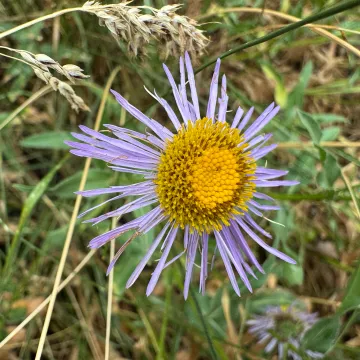
Botanically, Erigeron speciosus is characterized by its erect, leafy stems reaching heights of up to 60 cm. The plant produces dense terminal clusters of flower heads, each featuring numerous thin, ray-like petals surrounding a bright yellow center, creating an effect reminiscent of small, delicate asters.
Optimal growth requires well-drained, fertile soil and a position with full sun or partial shade. Agronomic management involves consistent irrigation during dry spells, thinning out overcrowded plantings every few years to encourage airflow, and light fertilization to promote a more prolific bloom period throughout the summer.
While primarily valued for its contribution to perennial borders and cut-flower arrangements, the crop requires attention regarding plant health. Common pests include aphids and mites, while high humidity can occasionally trigger powdery mildew, necessitating a proactive approach to sanitation and occasional use of effective plant protection products.
Photo gallery