Description
Eriogonum latifolium, commonly known as Coast Buckwheat, is a perennial herbaceous plant belonging to the Polygonaceae family. It is recognized for its robust, low-growing growth habit, forming dense basal rosettes of leaves that serve as a base for sturdy, long-blooming flower stalks, making it a valuable addition to dry, open landscapes.
Native to the coastal bluffs and sandy dunes of California and the Pacific Northwest, this plant is highly specialized for challenging environments. It naturally occurs in habitats exposed to salt spray and high winds, which has driven the evolution of its physical characteristics to ensure survival in nutrient-poor and volatile coastal soils.
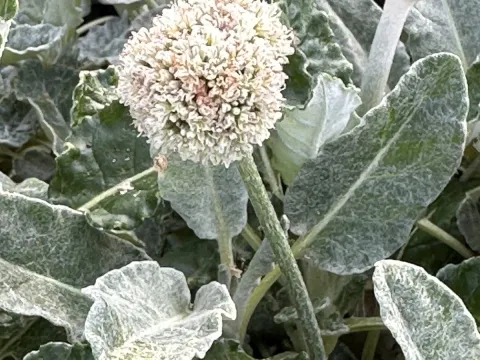
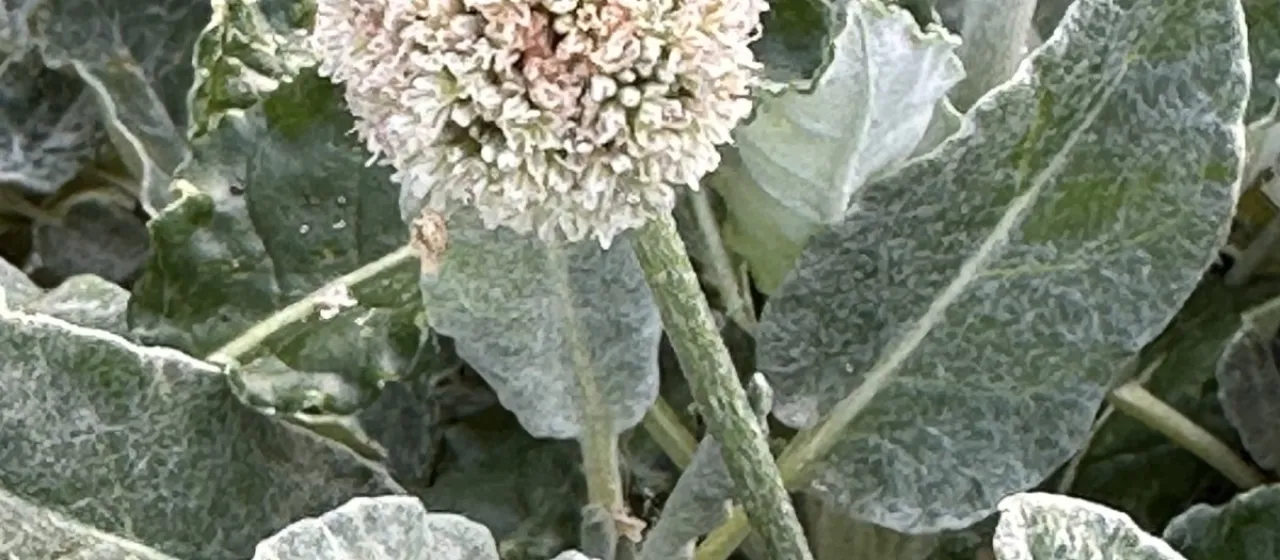
The botanical structure of this species is defined by its thick, leathery leaves with a dense, woolly underside, which helps to preserve moisture in arid conditions. The inflorescences are distinct, tightly packed heads consisting of small flowers that range from white to pink and deep rose, providing a critical late-season nectar source for native bees and butterflies.
Cultivation requires minimal intervention provided the site mimics its native habitat. It thrives in full sun and requires well-draining, sandy, or rocky soils. Over-watering is the most common cause of failure in domestic gardens, so it is essential to allow the soil to dry out completely between waterings to prevent root system stress and disease.
- Exceptional drought and heat tolerance.
- High value for biodiversity and local pollinator support.
- Low maintenance requirements once established.
- Excellent adaptability to rocky and seaside environments.
Typical pest issues include aphids and spider mites, which can be managed with periodic monitoring and horticultural oils if necessary. Disease susceptibility is generally low but is primarily associated with root rot caused by poor drainage. Proper air circulation and moderate irrigation levels are key to maintaining long-term plant health.
Photo gallery