Description
Oval-leaf buckwheat (Eriogonum ovalifolium) is a perennial plant belonging to the Polygonaceae family. Widely recognized in botanical circles, it has gained attention for its exceptional hardiness and aesthetic appeal. While it is not a traditional food crop, its role in ecological restoration and dry-climate landscaping makes it a significant species in horticultural agronomy.
The plant originates from the western regions of North America, where it thrives in alpine and subalpine zones. It is commonly found in dry, rocky soils across varied elevations. This geographical background defines its climate requirements: it is perfectly adapted to significant seasonal temperature fluctuations, harsh winters, and arid, high-light summer conditions.
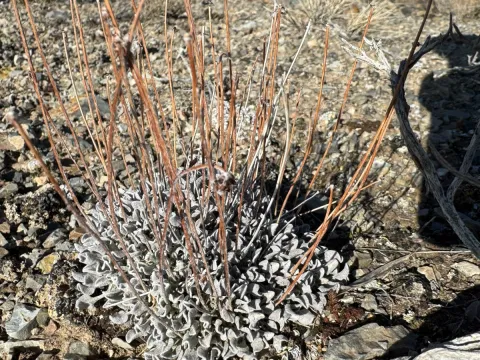
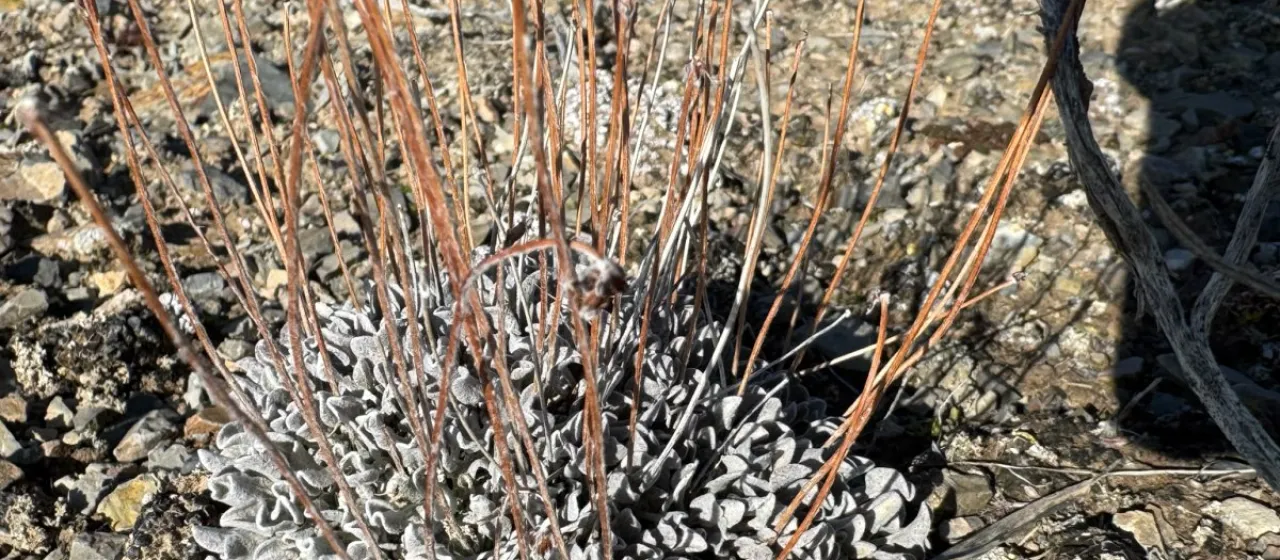
Botanically, the species is distinguished by its mat-forming growth habit. Its foliage consists of small, oval-shaped leaves covered in dense, woolly trichomes that provide a distinct silvery-grey appearance. During the flowering stage, the plant produces vibrant flower heads that transition from creamy yellow to shades of pink or deep purple, adding seasonal interest to any landscape.
To cultivate Eriogonum ovalifolium successfully, gardeners must replicate its native habitat. Essential requirements include well-draining, gravelly or sandy soil, and full sun exposure. It has very low nutrient requirements and can struggle in overly enriched, moisture-retentive soils, which often lead to physiological stress or root rot.
- Extreme drought tolerance once established.
- Excellent cold hardiness across multiple climate zones.
- Pollinator-friendly, attracting bees and butterflies.
- High aesthetic value in rock gardens and xeric landscapes.
In terms of practical usage, it is primarily employed as a decorative perennial and a soil stabilizer for sloped surfaces where other plants fail to thrive. The species is relatively free from major pests, provided the soil drainage is managed appropriately. Growers should remain vigilant against fungal diseases caused by standing water, which remains the primary threat to its long-term viability.
Photo gallery