Description
Longleaf buckwheat (Eriogonum longifolium) is a perennial herbaceous plant belonging to the Polygonaceae family. Native to the central and southern regions of the United States, this species is highly valued for its resilience, adaptability to poor soil conditions, and distinctive ornamental appearance in landscape projects.
The plant originates from prairies, rocky slopes, and limestone outcrops where it has evolved to thrive in high-heat and low-moisture environments. Its natural habitat indicates a high level of tolerance to harsh climatic conditions, making it an excellent candidate for xeriscaping and sustainable gardening practices.
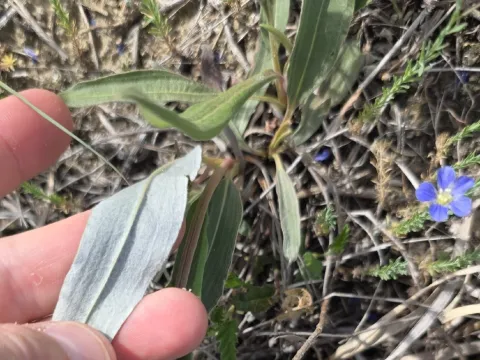
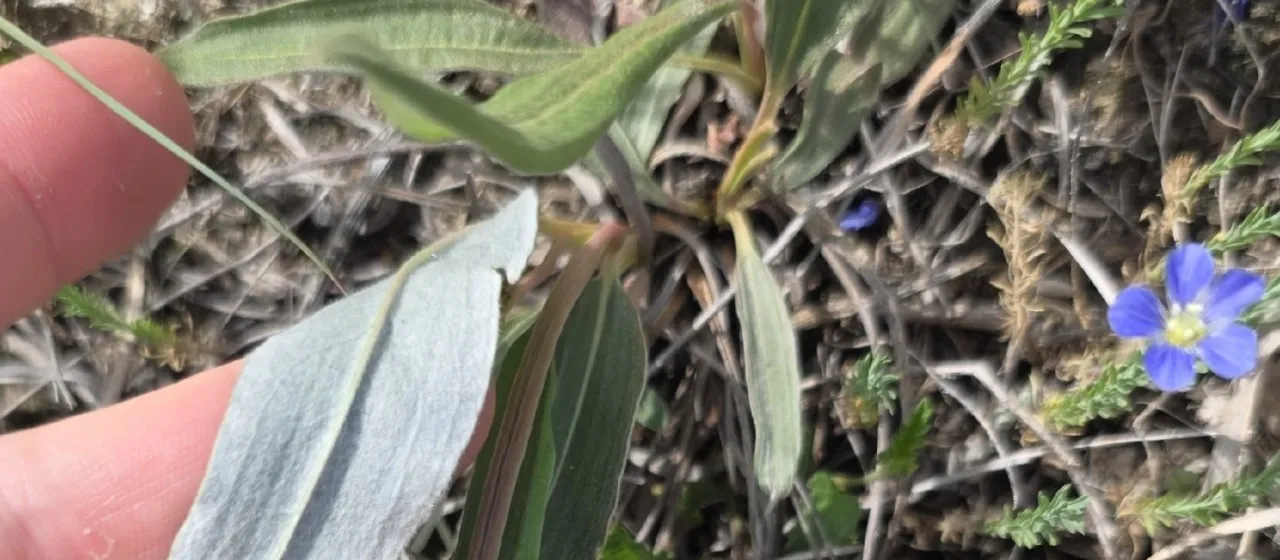
Botanically, it is characterized by a basal rosette of elongated, lance-shaped leaves that are often pubescent, aiding in moisture retention. The plant produces tall, sturdy flower stalks topped with umbel-like inflorescences consisting of small, colorful flowers ranging from cream to soft pink or reddish hues, which attract various pollinators.
To ensure successful cultivation, specific agricultural requirements must be met: deep, well-draining soil is essential to prevent root rot. It thrives best in full sun exposure and requires minimal fertilization, as it is adapted to nutrient-poor soils. Once established, the plants demonstrate significant drought tolerance, requiring irrigation only during prolonged dry spells.
In terms of хозяйственного использования, the plant serves primarily as an ornamental addition to rock gardens, meadows, and native plant borders. It is remarkably resistant to typical pests and diseases. However, growers should monitor for potential fungal issues if the soil remains excessively damp, emphasizing the importance of site selection and drainage management.
Photo gallery