Description
The African ordeal tree (Erythrophleum africanum) is a deciduous tree belonging to the Fabaceae family. It is recognized as a significant timber species in its native range, prized for its extreme durability and high density, making it a staple in local economic forestry.
The species is native to tropical Africa, with populations stretching across countries like Namibia, Botswana, and Zambia. It primarily inhabits dry woodlands, savannas, and riverine areas, where it plays an essential role in maintaining soil stability and supporting biodiversity in arid environments.
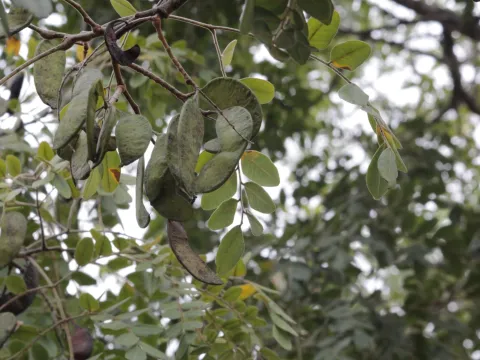
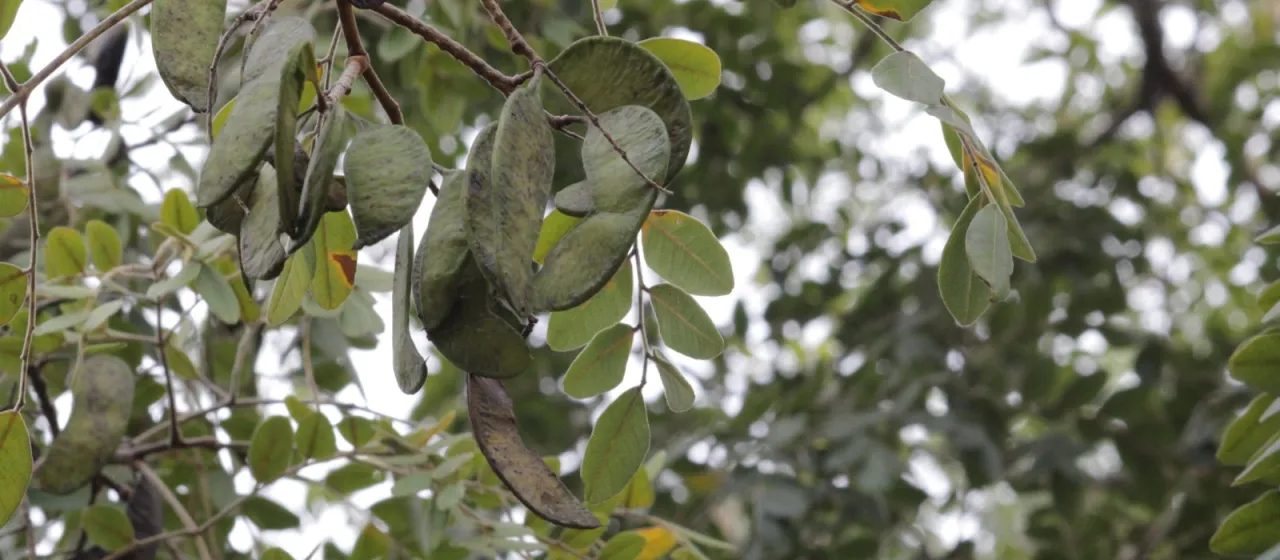
Botanically, this tree typically reaches a height of 15 to 20 meters. It features bipinnate leaves and small, fragrant flowers arranged in spike-like racemes. The fruits are woody, flattened pods containing hard, dark seeds, which are the primary means of propagation for this resilient plant species.
Regarding cultivation, Erythrophleum africanum requires intense sunlight and well-drained sandy or loamy soils to thrive. It is notably drought-tolerant, which makes it suitable for reforestation projects in challenging climates. However, growth rates are relatively slow, necessitating long-term management strategies when cultivated in plantations.
Commercially, the timber is highly valued for being resistant to termites, fungi, and rot. It is widely used for heavy-duty construction, high-end furniture manufacturing, and flooring. Traditionally, the bark and seeds contain alkaloids that have historical significance in ethnomedicine and local customs, reflecting the deep connection between the plant and local communities.
- High timber density
- Natural termite resistance
- Drought tolerance
- Sustainable reforestation potential
- Historical ethnobotanical importance
Photo gallery