Description
Erythrophleum lasianthum is a prominent hardwood tree species belonging to the Fabaceae family. Known for its dense and durable timber, it serves as a critical biological resource in its native habitats, providing both ecological stability and economic value for local timber industries.
The origin of this species is traced to the southeastern regions of Africa, including parts of South Africa and Mozambique. It typically thrives in coastal forests and woodland savannas, where it has adapted to specific climatic regimes characterized by seasonal fluctuations in rainfall and moderate temperatures.
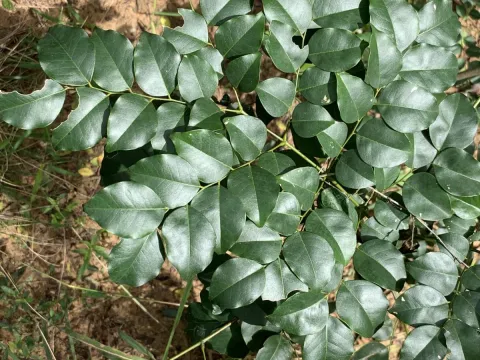
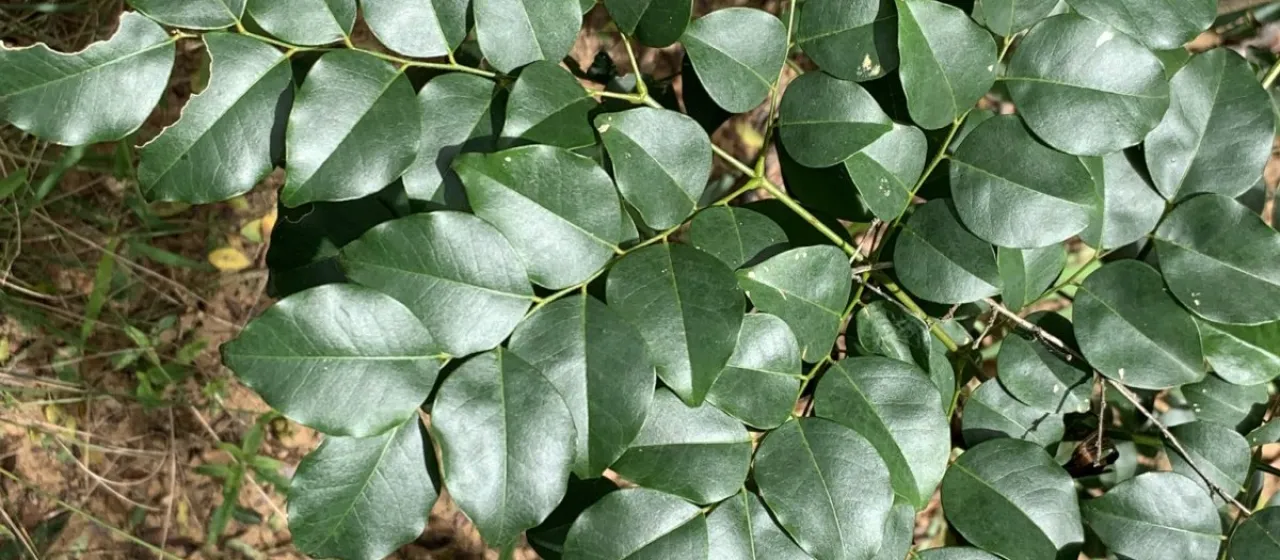
Botanically, the tree is recognized by its broad canopy and pinnate leaves. The bark is particularly notable, often studied for its complex chemical composition, which includes various alkaloids. These secondary metabolites play a vital role in the tree's defense mechanisms against herbivores and pathogens in the wild.
Cultivation requirements for this species demand well-drained, nutrient-rich soils and protection from frost during the early years of development. In forestry management, spacing is a crucial factor to ensure that individual trees have enough room for root development and adequate access to sunlight, which is necessary for optimal timber quality.
The economic utilization of Erythrophleum lasianthum focuses on high-quality construction materials, tool handles, and furniture. However, practitioners must be aware of potential management issues, including:
- Susceptibility to specific stem-boring insects.
- Risk of fungal infections in stagnant water conditions.
- The need for sustainable harvesting practices to prevent local extinction.
- Sensitivity to severe fire outbreaks in dense woodland areas.
Photo gallery