Description
Erythrophleum suaveolens is a significant tropical tree species belonging to the Fabaceae family, specifically the Caesalpinioideae subfamily. Widely recognized as the "ordeal tree" or "tali," it is highly regarded for its dense, durable wood, which is among the most resistant to biological degradation in the tropical rainforest environment.
The native habitat of this species stretches across tropical Africa, encompassing both equatorial rainforests and transitional savanna regions. It thrives in regions with abundant annual rainfall and deep, nutrient-rich soils. While the species is resilient, it requires specific climatic conditions to reach its full potential, favoring areas with minimal temperature fluctuations.
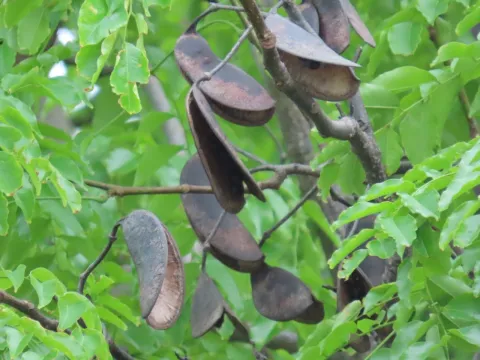
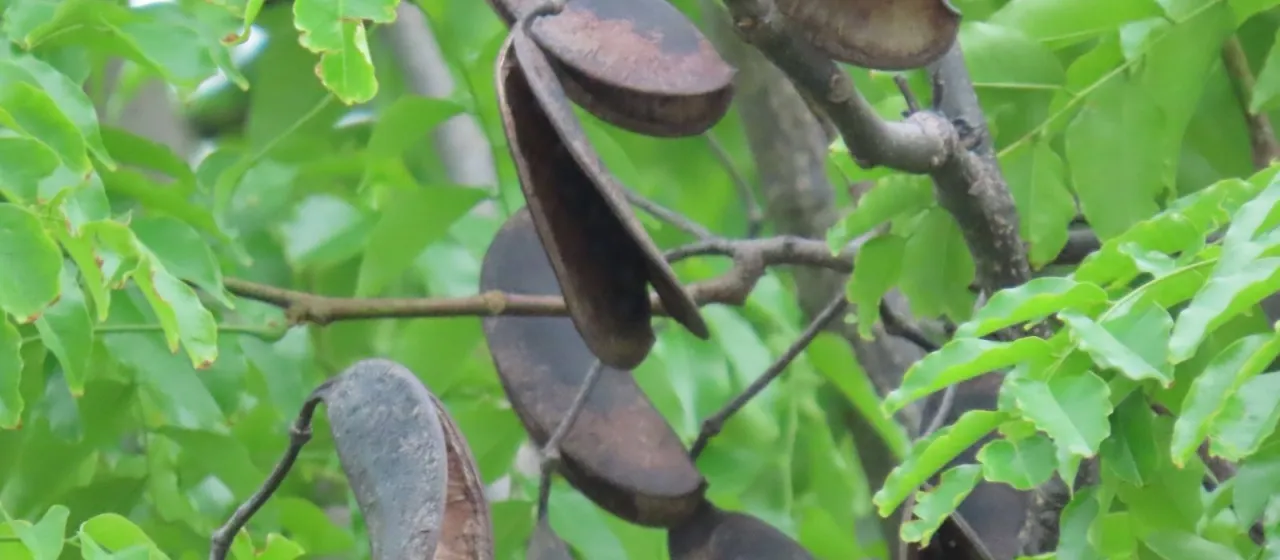
Botanically, the tree is noted for its bipinnate leaves and small, fragrant inflorescences that attract various pollinators. The fruit is a flat, woody pod containing several compressed, hard seeds. Its growth habit is characterized by a strong, straight bole that supports a dense canopy, making it an essential structural component of its local ecosystem.
In terms of silviculture, establishing stands of Erythrophleum suaveolens requires meticulous seedling management. Young trees are shade-tolerant but eventually demand full sunlight to accelerate development. Soil preparation should ensure good aeration to prevent root rot, as the tree performs best in well-drained conditions despite its high water requirement.
The economic value of this tree is primarily derived from its high-density timber, which is extensively utilized in heavy construction, bridge building, and high-end exterior furniture. Due to its resistance to termites and rot, it serves as a sustainable alternative to over-exploited hardwoods. Furthermore, research continues into the medicinal potential of its bark extracts, though caution is advised due to their potent alkaloid content.
- Exceptional wood durability
- Resilience to termite damage
- High economic value as timber
- Adaptation to African tropical climates
- Ecological importance in forest regeneration
Photo gallery