
Description
Fagonia cretica is a perennial subshrub belonging to the Zygophyllaceae family. Known for its remarkable resilience in arid environments, this plant has gained attention for its medicinal properties, particularly in traditional medicine systems where it is used for its anti-inflammatory and antiseptic effects.
The native range of this species spans the Mediterranean basin, North Africa, and parts of the Middle East. It thrives in open, rocky, and sandy habitats, showing a high level of adaptation to desert climates with intense sunlight and scarcity of water resources, which defines its ecological niche.
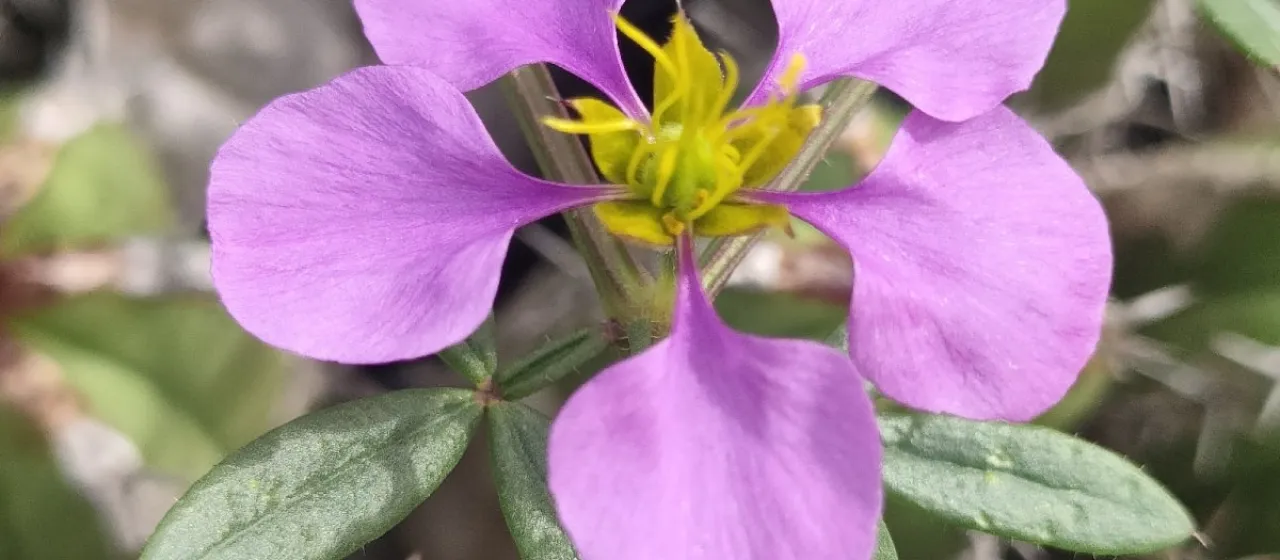
Botanically, Fagonia cretica is identified by its woody, highly branched stems and leaves that are often trifoliate and leathery to prevent excessive water loss. The plant produces delicate pink-to-purple flowers, followed by capsule-like fruits. The presence of sharp spines at the nodes is a protective feature against herbivores in harsh environments.
Agronomic requirements for this crop prioritize well-draining, nutrient-poor, sandy, or gravelly soils. It is critical to avoid over-irrigation, as the plant is highly sensitive to root rot triggered by stagnant water. Cultivation techniques should focus on mimicking its natural environment: plenty of direct sunlight and minimal soil disturbance are ideal for optimal growth.
Regarding pests and diseases, the plant is relatively hardy but can suffer from fungal infections if soil drainage is compromised. Common pests include aphids and spider mites, which can infest tender growth during the peak of the growing season. Proper field management, such as maintaining adequate spacing between plants, is essential to minimize these risks.