Description
Felicia clavipilosa is a perennial herbaceous plant belonging to the Asteraceae family. This species is recognized for its unique adaptation to specific environmental niches, making it a subject of interest for both botanical research and professional landscape gardening.
Originating from Southern Africa, this plant is native to regions characterized by arid or semi-arid conditions. Its distribution area reflects a high level of resilience to environmental pressures, enabling it to thrive in nutrient-poor, rocky substrates common in its natural habitat.
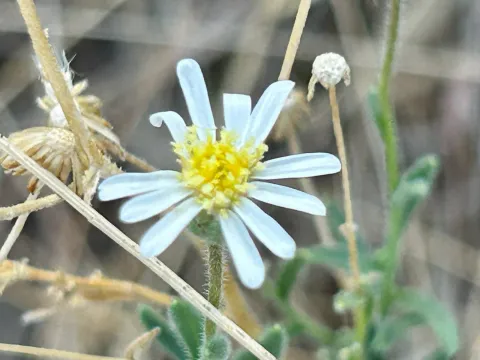
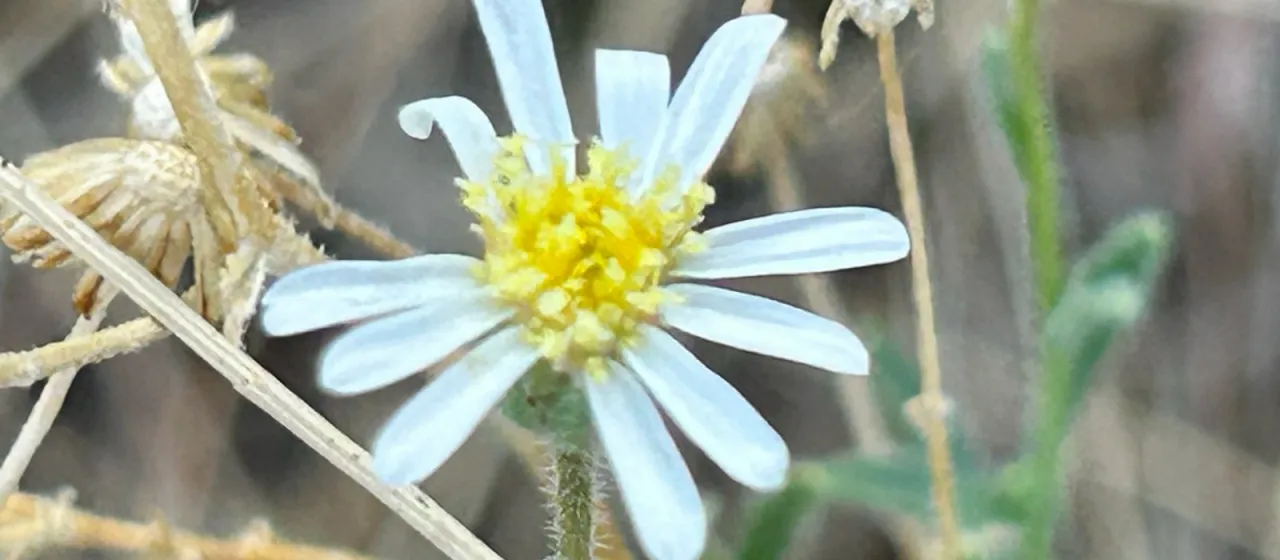
Botanically, the species is distinguished by its pubescent foliage, which is covered with small glandular hairs. This structural adaptation is a survival mechanism that helps the plant conserve water and endure intense solar radiation. The flowers are typical daisy-like capitula that bring seasonal color to its natural surroundings.
The agrotechnical requirements for growing this plant revolve around moisture management and light exposure. It thrives in well-draining soils with a neutral pH level. Over-irrigation is the primary cause of failure, as the root system is highly susceptible to hypoxia if the soil remains waterlogged for extended periods.
In terms of usage, the plant is primarily cultivated for its aesthetic appeal in dry gardens and decorative pot arrangements. Management of pests such as aphids and spider mites, along with the prevention of fungal diseases, is essential for maintaining plant vigor. Proper spacing and airflow are recommended to mitigate the risk of pathogen outbreaks.
Photo gallery