Description
Felicia filifolia, commonly known as the needle-leaved felicia, is an evergreen subshrub belonging to the Asteraceae family. This species is highly valued in horticulture for its fine-textured, needle-like foliage and its abundant, daisy-like flowers that provide a long-lasting display of color in diverse landscapes.
Native to South Africa, this plant is well-adapted to harsh, dry conditions. Its natural habitat includes rocky slopes and grasslands, which has contributed to its excellent drought tolerance. While it thrives in its native environment, it can be grown in various climates provided that the winters are not excessively severe, as it prefers mild, frost-free conditions.
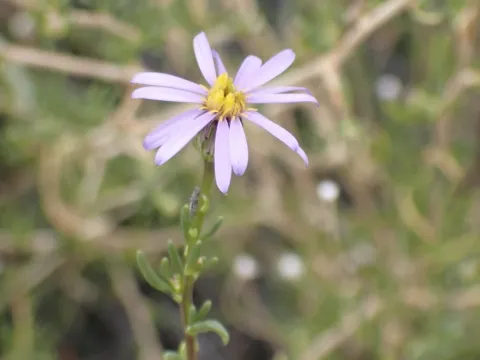
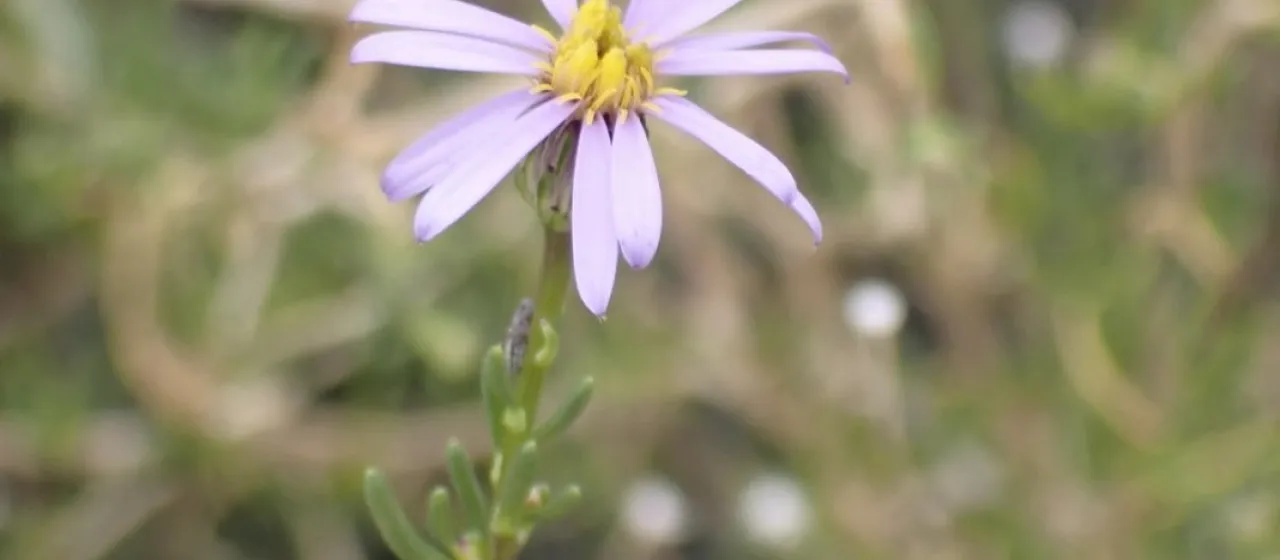
Botanically, the plant forms a rounded, bushy structure reaching heights of approximately 50 to 80 centimeters. Its unique, narrow leaves allow it to minimize water loss, a key physiological adaptation. The inflorescences are typical of the Asteraceae family, featuring blue, lavender, or white ray florets surrounding a prominent yellow disc, which attracts various pollinators.
In terms of agricultural and gardening requirements, the plant demands well-draining soil, typically sandy or rocky, to prevent root rot. It is an excellent candidate for xeriscaping as it requires minimal supplemental irrigation once established. Full sun exposure is essential for the plant to maintain its compact habit and to ensure prolific flowering throughout the season.
Regarding health management, pests such as aphids and spider mites can occasionally affect the plant, particularly in humid or stagnant air conditions. Preventing fungal pathogens requires strict adherence to watering regimes; ensuring that the soil does not stay waterlogged is the most effective way to maintain the health of the plant throughout its lifespan.
Photo gallery