Description
Felicia dubia is a perennial herbaceous plant belonging to the Asteraceae family. Although it is primarily recognized for its ornamental value in professional gardening and landscape design, it requires specific horticultural conditions to thrive, distinguishing it as a niche but rewarding crop for specialized nurseries.
Native to Southern Africa, this species has evolved in environments characterized by high solar radiation and specific moisture cycles. The plant's distribution area emphasizes its need for well-lit, open locations. In agricultural terms, it is considered a non-hardy species that requires controlled environments in cooler climates to avoid freezing damage.
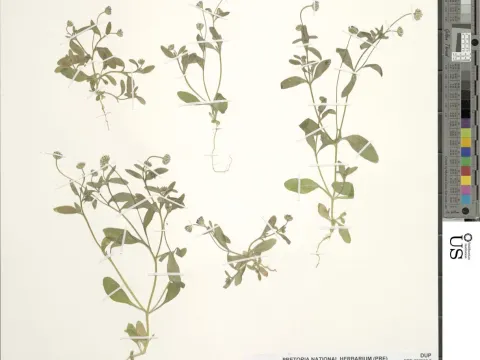
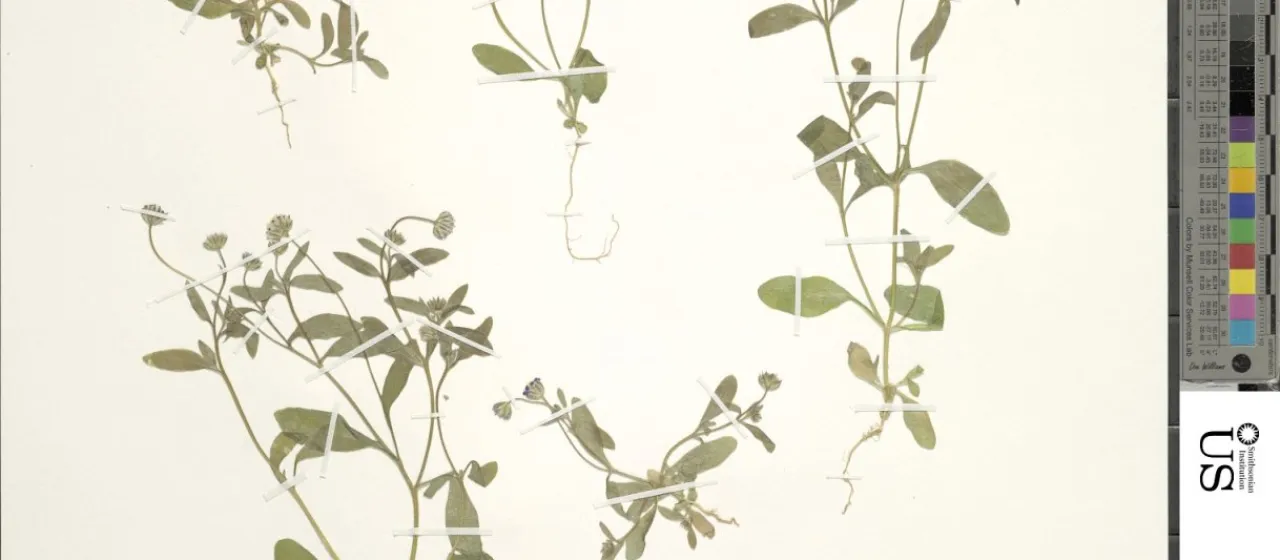
Botanically, the plant presents a bushy growth habit with slightly pubescent leaves that facilitate moisture retention. Its inflorescences are typical daisy-like flower heads that serve as a strong attractant for pollinators. Understanding these botanical characteristics is essential for nursery managers who aim to maximize the flowering potential of this specific crop.
In terms of soil and agronomic requirements, Felicia dubia demands well-drained, porous soil structures with a slightly acidic to neutral pH level. Over-watering is the most common cause of plant failure, leading to root rot and fungal complications. Therefore, the implementation of irrigation systems that allow for precise moisture control is highly recommended.
The primary use of Felicia dubia lies in decorative landscaping and container gardening. Key pests impacting its productivity include aphids and spider mites, which can proliferate in poorly ventilated greenhouses. Effective management involves a combination of integrated pest management (IPM) strategies, including periodic scouting and the application of target-specific biopesticides to ensure optimal plant health.
Photo gallery