Ficus auriculata
Ficus auriculata Lour.
Description
Ficus auriculata, commonly known as the elephant ear fig, is a remarkable species within the Moraceae family. Unlike common indoor ornamental figs, this tree is primarily cultivated in tropical regions for its edible fruit and significant foliage. It is recognized by its massive, heart-shaped leaves, which are among the largest in the genus, and its distinct, bushy growth habit.
The species is native to the diverse landscapes of Asia, spanning from the Himalayan foothills to southern China, Vietnam, and India. It thrives in humid, shaded environments within forests or river valleys. When cultivating this species, growers must simulate these native conditions by providing ample humidity, well-draining soil, and protection from harsh, direct sunlight, which can scorch the expansive leaf surface.
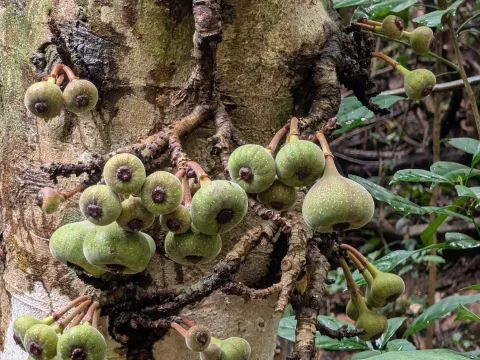
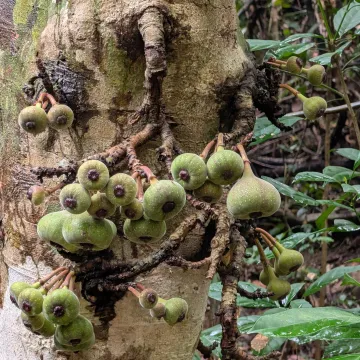
Botanically, Ficus auriculata is famous for its cauliflory, where clusters of figs develop directly on the trunk and thick branches. These syconia ripen to a reddish-brown color and possess a sweet, succulent interior. The plant's structure is typically that of a small to medium-sized tree, which requires adequate space to reach its full aesthetic and productive potential in both orchards and home gardens.
Successful cultivation relies on specific agro-technical practices to ensure healthy growth:
- Maintaining moist, nutrient-rich soil with a slightly acidic profile.
- Implementing a consistent watering schedule while preventing waterlogging.
- Applying balanced fertilizers to support rapid leaf development and fruit production.
- Pruning selectively to improve airflow within the dense canopy and encourage new growth.
In terms of economic usage, the fruits are highly valued in local markets, often consumed fresh or processed into preserves. The large leaves serve functional purposes in traditional settings, including as fodder for animals or natural packaging. Common threats include infestations of aphids, spider mites, and scale insects, which can be managed through regular monitoring and the application of appropriate horticultural oils or integrated pest management strategies.
Photo gallery