
Banyan fig
Ficus benghalensis L.
Description
The Banyan fig (Ficus benghalensis L.) is a remarkable evergreen tree species within the Moraceae family. Renowned as a sacred tree in parts of its native range, it is famous for its unique growth pattern: it starts as an epiphyte and eventually produces aerial roots that descend from the branches to the ground, developing into thick, woody trunks.
Originating from the Indian subcontinent, it is now widely distributed across tropical and subtropical regions. In agricultural and horticultural contexts, the plant is valued as an ornamental specimen in landscaping. Outside tropical zones, it is frequently cultivated as a large, impressive houseplant, appreciated for its bold, glossy foliage.
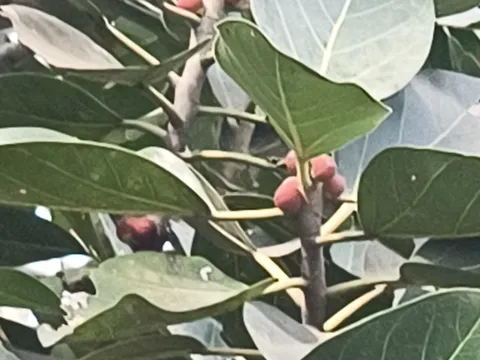
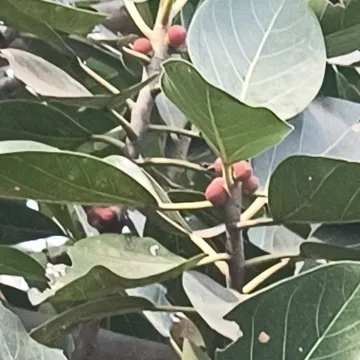
Botanically, the species is characterized by thick, leathery leaves with prominent venation and a sprawling canopy. The bark is typically smooth and light grey, while the fruit, known as a syconium, is small, reddish-orange when ripe, and serves as a vital food source for local bird populations in the wild.
Successful cultivation requires bright, indirect sunlight and consistently warm temperatures. The soil should be nutrient-rich and well-draining, preventing waterlogging that can lead to root issues. Pruning is often necessary in controlled environments to manage its aggressive lateral growth and maintain its desired shape.
The banyan fig is utilized in urban forestry, interior design, and ethnomedicine, where its extracts are sometimes used for their pharmacological properties. Growers should remain vigilant for common pests such as scale insects, mealybugs, and spider mites, which can thrive in dry indoor environments and compromise the plant's health.
Photo gallery