
Description
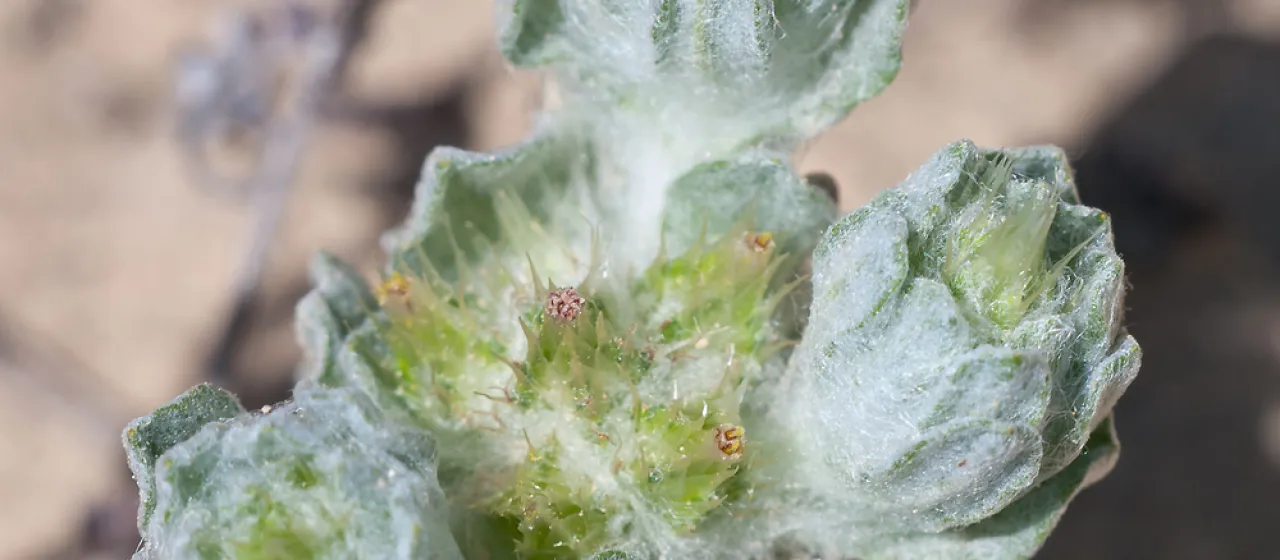
Filago congesta is an annual herbaceous plant belonging to the Asteraceae family. Known for its distinct morphological features, it is often categorized within specialty crops or specific ecological restoration species. As a member of the Filago genus, it exhibits a characteristic fuzzy appearance that serves as a vital adaptation to its natural environment, enabling it to conserve water effectively.
The plant originates from Mediterranean and arid climatic regions, where it has evolved to thrive in nutrient-poor, well-drained soils. Its geographical distribution typically includes open, sunny habitats. In an agricultural context, it is best suited for dryland farming systems where moisture retention is a challenge, but excessive heat is abundant. The plant is hardy and capable of surviving in conditions that would inhibit traditional cereal crops.
Botanically, Filago congesta is characterized by its erect, branched stems covered with a dense indumentum of white hairs. The leaves are typically linear or lanceolate, following the stem structure. Its defining feature, as implied by its Latin name, is the congested cluster of flower heads at the terminal points of the branches. This structure ensures reproductive success even in harsh, windy environments.
The cultivation requirements for this species focus on sun exposure and soil structure. It thrives in sandy or light loamy soils with excellent drainage. Excessive nitrogen fertilization should be avoided, as it can lead to succulent, weak stems prone to pathogen attack. Regular weeding during the early stages of development is necessary to prevent competition from more aggressive weed species.
Economically, the plant is primarily utilized for its medicinal properties and its utility as a high-quality dried flower in the decorative industry. Common pests and diseases include spider mites in drought conditions or root rot if soil moisture remains too high for extended periods. Integrated pest management, focusing on proper irrigation and field sanitation, is usually sufficient to maintain crop health.
- Excellent adaptability to sandy soil conditions.
- Low input requirements for growth and development.
- High resistance to direct sunlight and high temperatures.
- Natural suitability for ornamental dried flower production.