
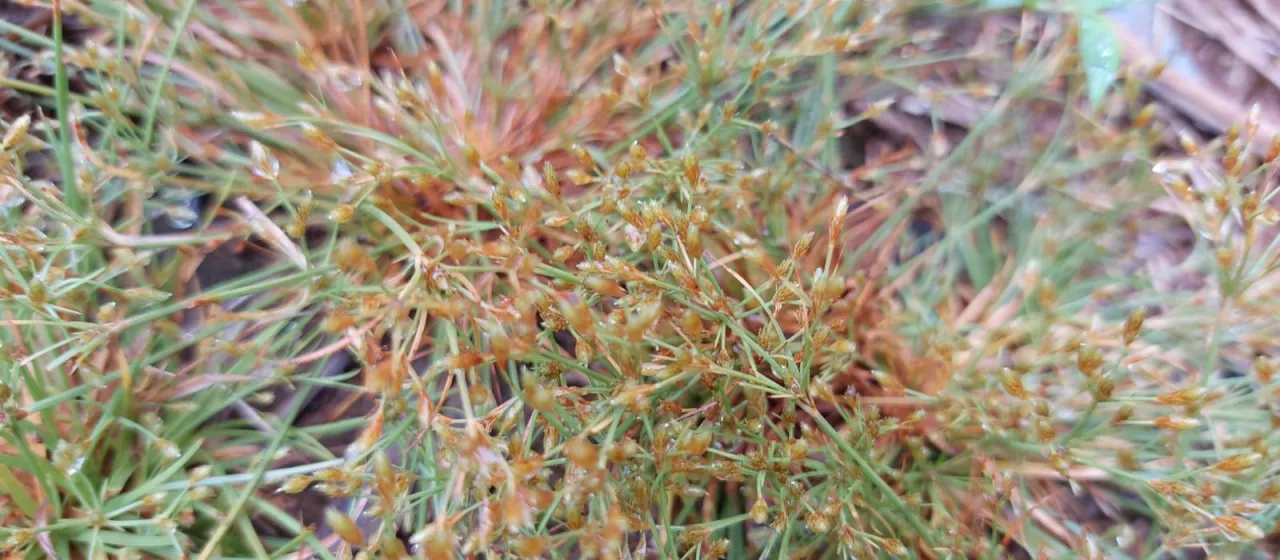
Description
Fimbristylis griffithii is a perennial herbaceous plant belonging to the Cyperaceae family. It is predominantly found in tropical regions across Asia, where it thrives in moist environments. The species is highly adapted to tropical climates characterized by consistent temperatures and high precipitation, which are essential for its natural development.
The botanical structure of this plant includes a dense cluster of narrow, basal leaves and tall, slender stems topped with characteristic umbrella-like inflorescences. The root system is fibrous and robust, allowing the plant to anchor firmly into wet, muddy, or sandy substrates. This structure is a key adaptation for survival in periodically flooded habitats.
Agricultural requirements for this species center primarily on water management. It is a moisture-loving plant that fails to thrive under drought conditions. Optimal growth is achieved in soils with high organic content and a stable moisture level. While it prefers full sun, it can tolerate partial shade, provided the humidity levels remain high enough to support metabolic functions.
The economic and practical utility of Fimbristylis griffithii is rooted in environmental conservation and small-scale manufacturing. It is frequently employed in projects aimed at stabilizing riverbanks and preventing soil erosion in wetlands. Additionally, in some traditional agricultural practices, the plant material is harvested for weaving mats or as supplemental forage for local livestock.
Common threats to the health of this crop include pathogenic fungi, which may cause root or stem rot if drainage is insufficient or if the water becomes stagnant for extended periods. Pest pressure is generally typical for aquatic plants, involving insects that target the inflorescences or stems. Managing these issues requires maintaining optimal environmental conditions and ensuring adequate sanitation of the growing area.