
Description
Fimbristylis ovata is a perennial herbaceous plant belonging to the Cyperaceae family, commonly known as the sedge family. In agricultural and ecological studies, it is recognized for its robustness and ability to thrive in wetland environments where other forage crops struggle to establish themselves effectively.
Originating in the tropical and subtropical regions of the world, this species has an extensive range across Africa, Asia, and the Americas. It is typically found in habitats such as wet meadows, damp grasslands, and along the peripheries of irrigation channels, which reflects its high requirement for soil moisture and humidity.
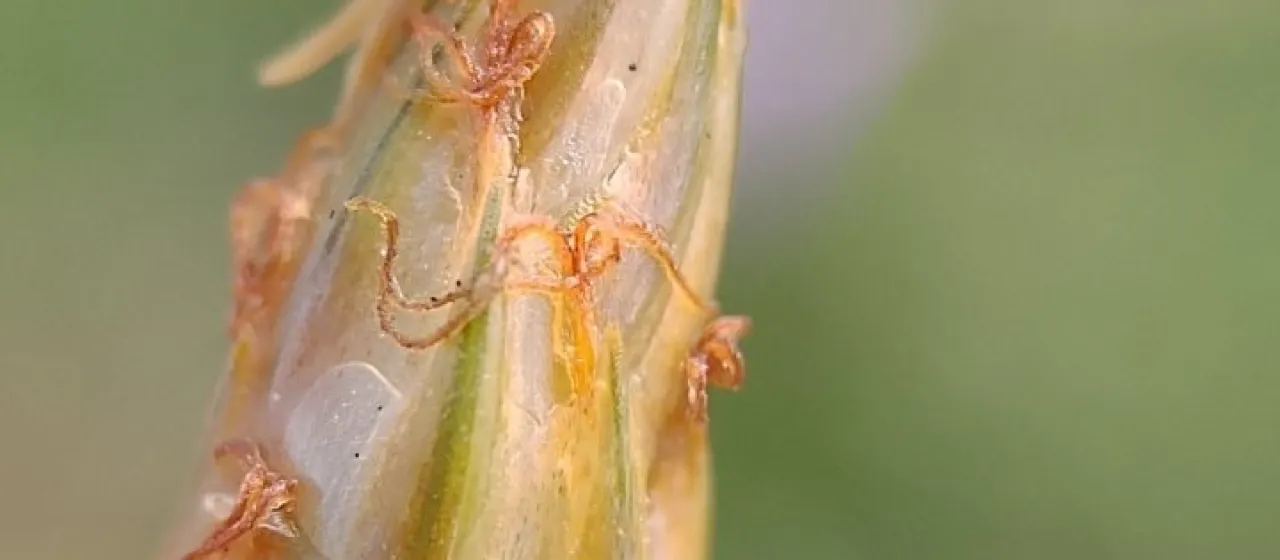
Botanically, Fimbristylis ovata is distinguished by its tufted growth habit, characterized by narrow, stiff leaf blades and erect stems that support terminal, ovate-shaped spikelets. Its root system is fibrous and dense, serving as an effective anchor in water-saturated substrates while facilitating nutrient uptake in anaerobic conditions.
The climate requirements for this plant are centered on consistent warmth and high humidity levels. It prefers soils that are rich in silt or clay, capable of maintaining high water retention. In terms of agronomy, maintaining an appropriate moisture level is critical, as the plant shows optimal vigor when soil hydration is constant, but it can suffer if drainage is completely absent for extended periods.
Economically, this species is utilized primarily as a supplemental grazing grass in tropical farming systems, especially during periods when upland pastures become depleted. Beyond forage, it serves an important role in soil conservation near water bodies, preventing erosion in sensitive drainage areas. Common threats include fungal pathogens such as rusts during high-humidity seasons and potential infestations by various stem-boring insects.