
Description
Fimbristylis polytrichoides is a perennial herb belonging to the Cyperaceae family. In an agricultural context, this species is recognized as a specialized wetland crop, highly valued for its ability to thrive in saturated soil conditions where traditional cereal or vegetable crops would fail due to root asphyxiation and nutrient imbalance.
Originating from the tropical and subtropical regions of Southeast Asia and Australia, this plant is naturally adapted to littoral zones and floodplains. Its cultivation area encompasses wetlands where constant moisture is available throughout the growing season. It serves as a vital component in local agricultural systems that focus on utilizing marginal, waterlogged lands for biomass production.
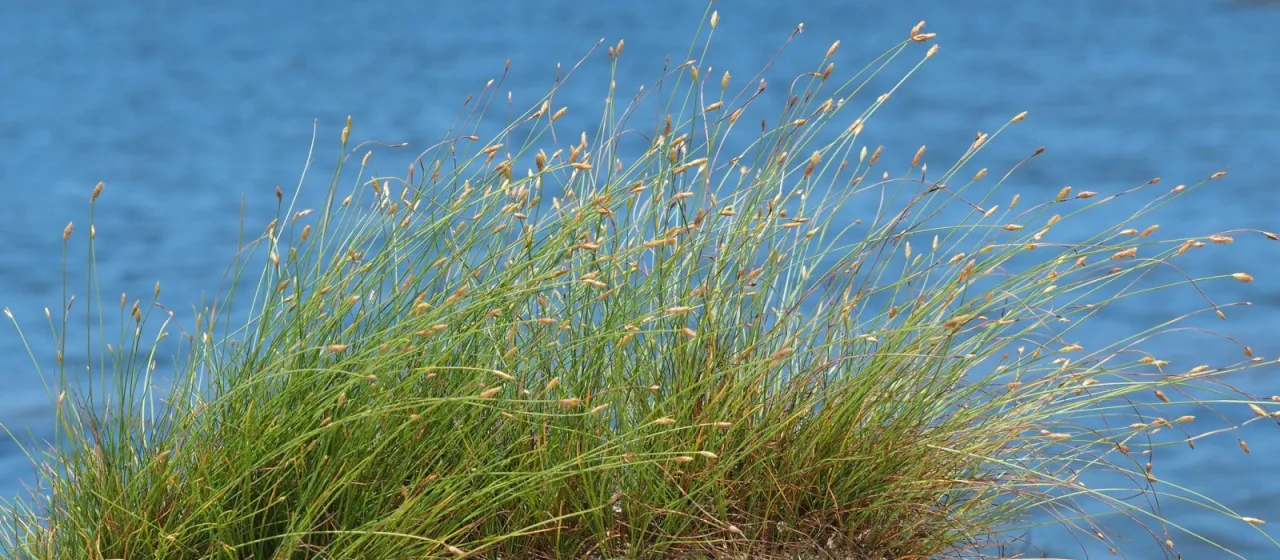
Botanically, the plant is characterized by a tufted growth habit with fine, grass-like leaves and distinct inflorescences featuring small, dense clusters. The root system is fibrous and deep-reaching, designed to anchor the plant effectively in muddy substrates. This physical structure supports the plant's survival in periodically inundated environments while maintaining high photosynthetic efficiency.
Successful management of Fimbristylis polytrichoides requires adherence to specific environmental conditions:
- Maintaining water-saturated soils or shallow standing water.
- Ensuring moderate climate conditions without excessive heat stress.
- Nutrient management focusing on nitrogen-rich soil amendments.
- Controlled harvesting to maintain the vitality of the rootstock for future regrowth.
The primary economic use of this crop includes the production of durable fibers for handicrafts and mats, as well as its application in bio-engineering for soil erosion control. As a sustainable crop, it helps in restoring wetland ecosystems while providing economic value to farmers. Regarding plant health, the crop is generally hardy, though it may encounter issues with fungal pathogens if water quality deteriorates, or infestations by aquatic pests if the density of the planting is too high for natural ventilation.