
Description
Fimbristylis quinquangularis is a perennial herbaceous plant belonging to the Cyperaceae family. It is recognized as a moisture-loving species that thrives in wet environments and is commonly found in tropical regions. In agricultural science, it is frequently studied due to its presence in paddy fields, where it acts as a competitor to rice crops, necessitating systematic management practices.
The plant is native to the tropical and subtropical zones of Asia, including Southeast Asia and the Indian subcontinent. Its distribution is largely dictated by high rainfall patterns and the presence of wetlands. As an opportunistic species, it readily colonizes disturbed wet soils, adapting to both natural wetlands and man-made irrigation systems throughout its native range.
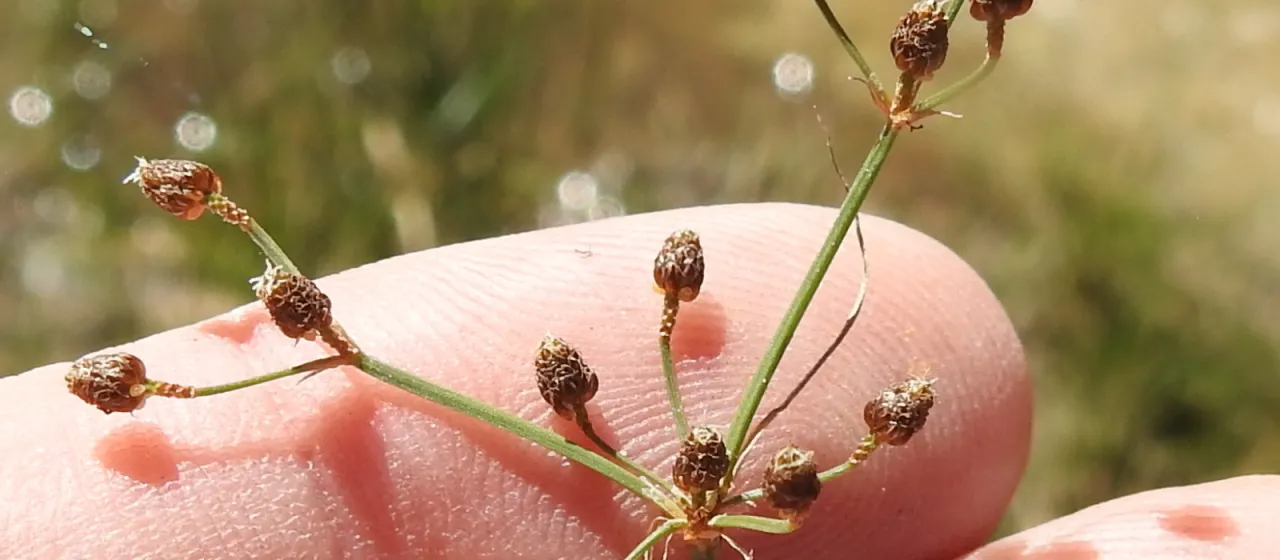
Morphologically, the plant is distinguished by its distinct pentagonal stem cross-section, which is the primary identifying feature for the species. It produces dense clumps of narrow, linear leaves arising from the base. The inflorescence is a terminal, compound umbel consisting of multiple spikelets, which play a crucial role in the plant's reproductive cycle and dispersal of seeds in aquatic environments.
To ensure healthy growth, the plant requires saturated soil conditions and high temperatures, typical of its native environment. From an agronomic standpoint, soil preparation involving drainage is often the primary technique to discourage the colonization of this plant in commercial fields. Where control is required, integrated weed management strategies, including water depth regulation and the use of approved herbicides, are implemented.
The economic and practical utility of Fimbristylis quinquangularis is varied, focusing on both its benefits and challenges:
- Serves as a bio-indicator for wetland health and soil water saturation.
- Used as fodder for livestock in certain underdeveloped rural areas.
- Potential raw material for sustainable artisanal weaving and fiber products.
- Provides essential habitat for local aquatic fauna in non-agricultural contexts.
Common pathological threats include fungal infections like smut and rust, which are exacerbated by high humidity levels and poor airflow around the stems. Insect pests, such as stem borers and certain beetle species, may feed on the inner tissues of the plant, potentially compromising its structural integrity. Effective management of these pests is essential to maintain the balance of the local ecosystem.