
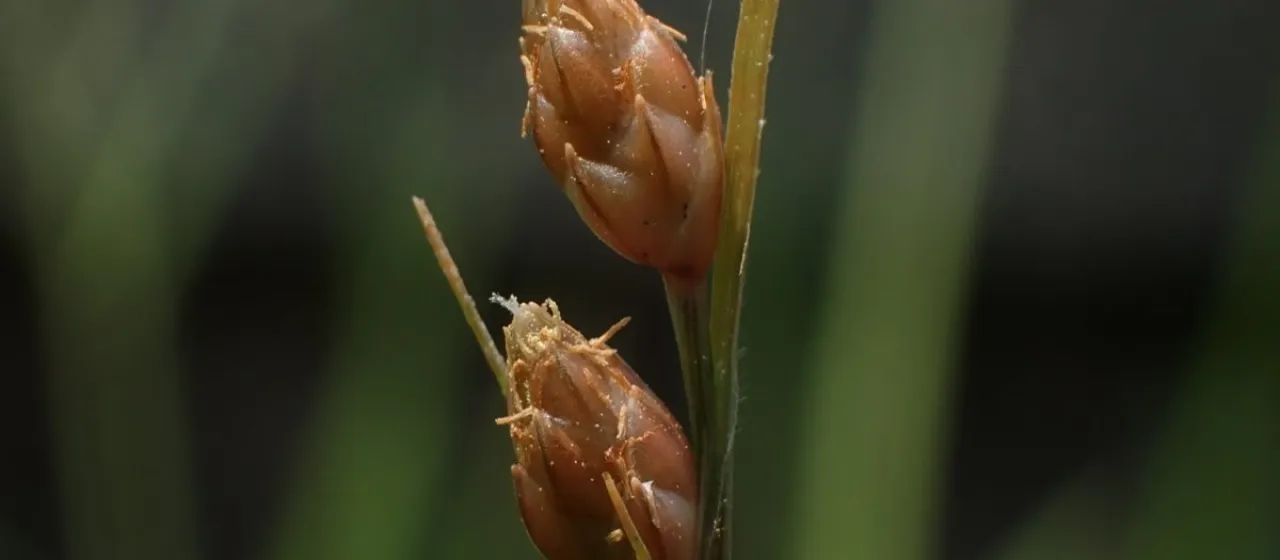
Description
Fimbristylis schoenoides is a perennial herbaceous plant belonging to the Cyperaceae family. In agricultural contexts, it is often recognized as a resilient wetland species capable of thriving in environments where conventional crops fail due to excessive water saturation.
The plant originates from the tropical and subtropical regions of Asia and northern Australia. Its typical habitat includes waterlogged meadows, irrigation channels, and flooded rice fields. It thrives in diverse soil types, provided that the moisture level remains consistently high throughout the growing season.
Botanically, Fimbristylis schoenoides is identified by its tufted growth habit, narrow leaves, and distinctive terminal spikelets. The root system is highly specialized, allowing the plant to exchange gases effectively even when submerged, which is a key physiological advantage in wetland environments.
Agrotechnical management of this plant is minimal, as it is largely self-sustaining in natural or semi-natural conditions. It requires no intensive tilling or complex fertilization schedules. Maintaining adequate water levels and managing weed competition during the early establishment phase are the primary concerns for cultivators.
Economically, this species serves as a valuable fodder resource in areas where livestock grazing is dependent on swampy terrains. Additionally, it helps in maintaining soil structure and water quality in agricultural landscapes. Potential threats include fungal diseases affecting the root zone during extended periods of drought and damage from specific leaf-feeding insects.